Can Portable Power Stations Run Alexa Or Google Home?
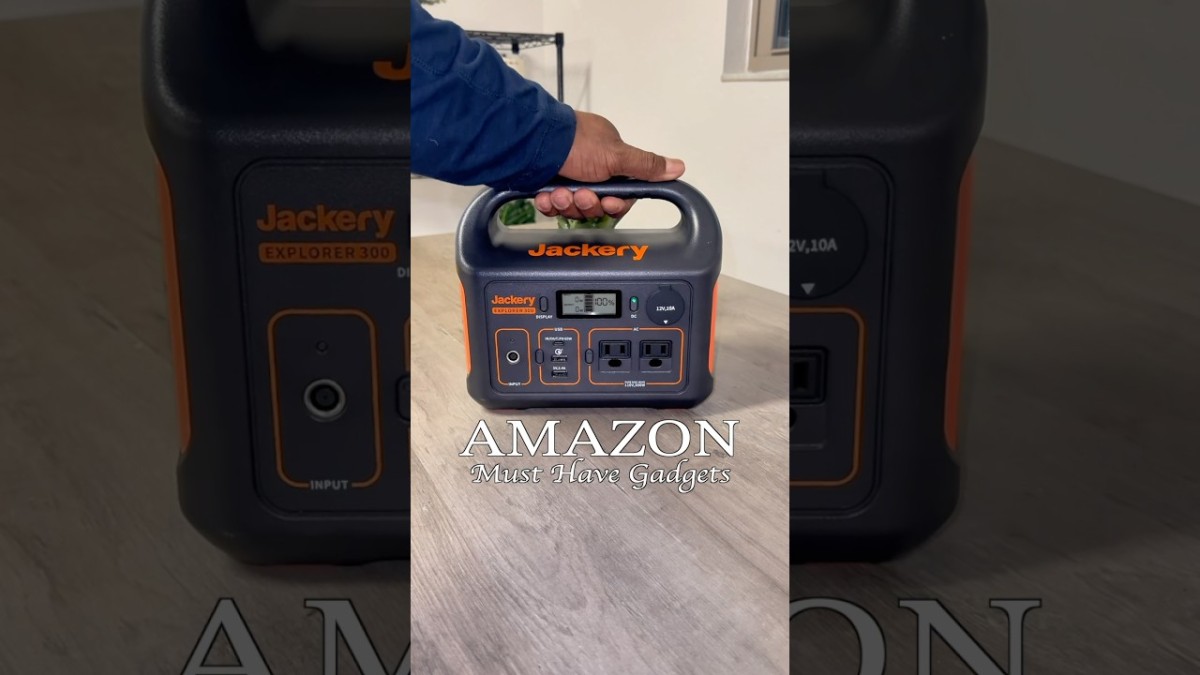
Imagine having the convenience of powering your home automation systems, such as Alexa or Google Home, even when you are on the go.
Can portable power stations run Alexa or Google Home?
Well, good news!
There are portable power stations available that are specially designed to be compatible with these smart devices.
These power stations provide a portable and reliable power source, allowing you to enjoy the benefits of your home automation systems wherever you are.
From controlling your lights, thermostats, and security systems to playing your favorite tunes or answering your questions, these power stations ensure that you never have to compromise on the convenience and comfort that home automation brings, even when you’re away from home.
[embedyt] https://www.youtube.com/watch?v=kR4sz4T7tAM[/embedyt]Overview of Portable Power Stations
Definition of portable power stations
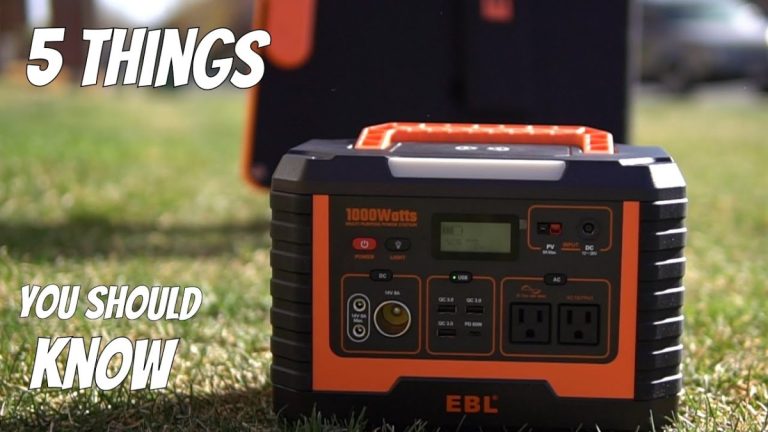
Portable power stations are compact, lightweight devices that provide a convenient and reliable source of electricity when you’re on the go.
These stations typically consist of a battery pack and various outlets or ports for charging or powering different devices.
Unlike traditional generators, which run on fuel, portable power stations are rechargeable through various means such as solar panels, wall outlets, or car chargers.
They are designed to be easily transportable, making them an ideal solution for outdoor activities, emergencies, or even as a backup power source for home use.


Benefits of using portable power stations
Using a portable power station offers numerous advantages.
Firstly, they provide a portable and efficient way to power your devices when you don’t have access to a traditional power source.
Whether you’re camping in the wilderness, attending a music festival, or experiencing a power outage at home, a portable power station can keep your essential devices running smoothly.
Additionally, they are much quieter and emit less exhaust compared to traditional generators, making them more environmentally friendly and suitable for indoor use.
Furthermore, portable power stations eliminate the need for messy fuel or additional parts, making them easy to set up and maintain.
Considerations when choosing a portable power station
When selecting a portable power station, there are several factors to consider.
Firstly, you need to determine your power requirements.
Consider the devices you plan to use and their wattage, as this will help you determine the necessary capacity and output of the power station.
Additionally, think about the duration you’ll need power, and choose a station with an appropriate battery capacity.
It’s also crucial to consider the available charging options, such as solar panels or car chargers, to ensure compatibility with your needs.
Finally, assess the portability and weight of the power station, as this will impact its ease of transport and storage.
Different types of portable power stations
Portable power stations come in various types, each offering unique features and capabilities.
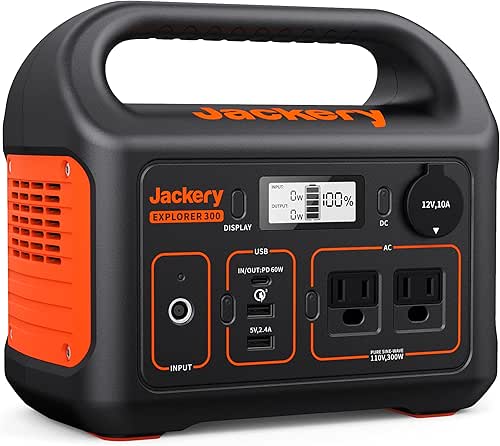
One type is the AC power station, which typically includes AC outlets for powering devices like laptops and household appliances.
These power stations may also have USB ports for charging smaller electronics such as phones or tablets.
Another type is the solar-powered power station, which harnesses energy from the sun to charge its batteries.
These are especially useful for outdoor enthusiasts or locations with abundant sunlight.
Some power stations even offer DC power options, compatible with car chargers or RVs, allowing flexibility in different scenarios.
Ultimately, the type of portable power station you choose depends on your specific needs and intended use.
Compatibility with Home Automation Systems
Introduction to home automation systems
Home automation systems, such as Alexa or Google Home, use smart technology to control various devices in your home remotely.
These systems typically rely on a central hub that connects to different smart devices, allowing you to control them using voice commands, smartphone apps, or automation routines.
Home automation systems can control a wide range of devices, including lights, thermostats, security systems, and even entertainment systems.
With the ability to streamline and simplify various tasks, home automation systems have become increasingly popular among homeowners.
Integration with home automation systems
Portable power stations can be seamlessly integrated with home automation systems to enhance their functionality and convenience.
By connecting your power station to your home automation hub, you can control and monitor its power usage, battery levels, and charging status remotely.
This integration allows you to include the power station in your automation routines and scenes, enabling automated charging or powering of devices based on specific triggers or schedules.
Additionally, some home automation systems can provide real-time notifications and alerts regarding your power station’s status, ensuring that you’re always informed of any changes or issues.
Benefits of connecting portable power stations with home automation systems
Integrating your portable power station with a home automation system brings several advantages.
Firstly, it provides a centralized control platform, allowing you to manage and monitor multiple devices simultaneously.
Instead of toggling between different apps or voice commands, you can access all your devices, including the power station, from a single user interface.
This simplifies the management process and enhances overall convenience.
Additionally, connecting your power station to a home automation system enables seamless automation and scheduling.
You can create custom routines or scenes that automatically activate or deactivate devices connected to the power station, optimizing energy usage and minimizing manual inputs.
Overall, the integration of portable power stations with home automation systems enhances the smart home experience and offers greater control over your power management.
Portable Power Stations Compatible with Alexa
Overview of Amazon Alexa
Amazon Alexa is a voice-controlled virtual assistant developed by Amazon.
It is designed to perform various tasks and control compatible smart devices through voice commands.
Alexa is capable of understanding natural language and can respond to inquiries, play music, provide weather updates, set reminders, and much more.
With its extensive range of skills and integrations, Alexa has become a popular choice for home automation enthusiasts.
Portable power stations compatible with Alexa
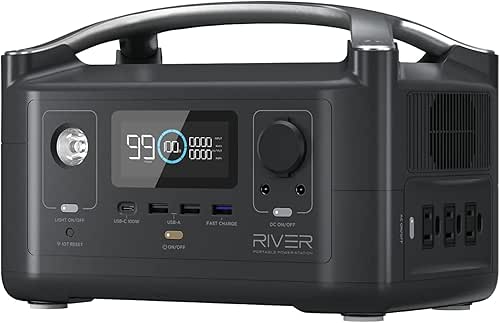
Several portable power stations are compatible with Amazon Alexa, allowing you to control and monitor them using voice commands.
These power stations often come with built-in Wi-Fi connectivity and are capable of connecting to your home network and Alexa-enabled devices.
Examples of such power stations include those from Goal Zero, Jackery, and EcoFlow.
These power stations can be paired with Alexa devices like the Echo Dot or Echo Show, enabling hands-free control over your power station’s functions and monitoring its status easily.
Features and functions of integrating Alexa with portable power stations
Integrating Amazon Alexa with a portable power station opens up a range of features and functions.
Firstly, you can use voice commands to turn on or off the power station, ensuring you have power when needed without manually pressing buttons or accessing an app.
Alexa can also provide real-time updates on the power station’s battery level or charging status, allowing you to stay informed about its performance.
Furthermore, you can include the power station in your Alexa routines or scenes, enabling automation and synchronization with other smart devices.
For example, you can create a routine that turns on specific lights and activates the power station when you arrive home, offering a seamless and effortless experience.
Portable Power Stations Compatible with Google Home
Introduction to Google Home
Google Home is another popular home automation system that utilizes voice commands and smart technology to control various devices.
It is powered by the Google Assistant, a virtual assistant developed by Google.
Google Home devices come in different forms, such as smart speakers or smart displays, and offer similar functionality to Amazon Alexa.
The Google Assistant can perform tasks such as answering questions, setting reminders, playing music, and controlling smart devices through voice commands.
Portable power stations compatible with Google Home
Like Alexa, several portable power stations are compatible with Google Home.
These power stations often feature Wi-Fi connectivity and can be connected to your Google Home devices through the Google Home app.
Examples of power stations compatible with Google Home include models from Goal Zero, Jackery, and MAXOAK.
By connecting your power station to Google Home, you can control and monitor it using voice commands, similar to the integration with Alexa.
Advantages of connecting Google Home with portable power stations
Integrating Google Home with your portable power station offers several advantages.
Firstly, you can control and manage your power station hands-free using voice commands, providing a convenient and effortless experience.
Whether you need to turn on the power station, monitor its battery levels, or check the charging status, you can simply ask Google Assistant for the information you need.
Additionally, Google Home allows for easy customization and automation. By including your power station in routines or scenes, you can create personalized automation based on specific triggers or schedules.
This integration ensures that your power station functions seamlessly within your smart home ecosystem, enhancing the overall convenience and control.
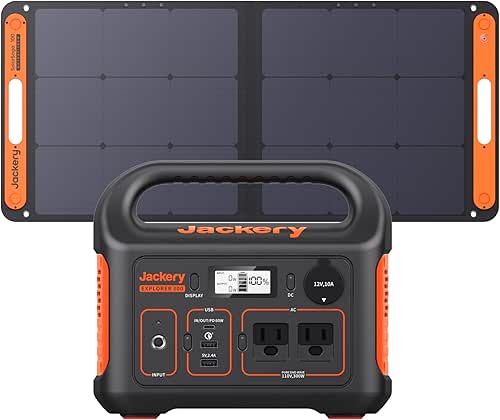
Factors to Consider when Choosing a Portable Power Station for Home Automation Systems
Power capacity and output
When selecting a portable power station for home automation systems, one of the essential factors to consider is its power capacity and output.
Assess the wattage requirements of the devices you plan to connect to the power station and choose a station that can handle the load effectively.
Ensure that the power station has sufficient AC outlets or USB ports to accommodate your devices.
Compatibility with other smart devices
Another factor to consider is the compatibility of the power station with other smart devices in your home.
Check if the power station supports the necessary protocols or standards used by your home automation system.
This ensures seamless integration and communication between the power station and your existing devices.
Available connectivity options
Consider the available connectivity options offered by the power station.
Some models may offer Wi-Fi connectivity, Bluetooth, or even Ethernet ports, allowing you to connect them to your home network and automation hub.
Determine the connectivity options that align with your home automation system and ensure that they are compatible.
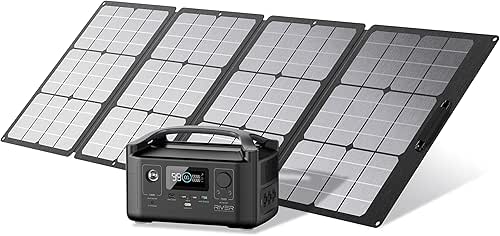
Battery type and charging capabilities
The type of battery used in the power station is also an important consideration.
Lithium-ion batteries are commonly used in portable power stations due to their long-lasting performance and compact size.
Additionally, consider the charging capabilities of the power station.
Some stations support multiple charging methods such as solar charging, AC wall outlets, or car chargers, providing flexibility in different scenarios.
Installation and Setup Process
Requirements for connecting a portable power station to home automation systems
To connect a portable power station to your home automation system, you will need a few requirements.
Firstly, ensure that your power station has the necessary connectivity options, such as Wi-Fi or Bluetooth.
Check if your home automation system requires any specific protocols or standards and confirm if the power station supports them.
Additionally, make sure that you have compatible smart devices, such as Alexa or Google Home, to act as the control interface for your power station.
Step-by-step guide for integrating the power station with home automation systems
- Ensure that your portable power station is fully charged or connected to a power source.
- Check the user manual of your power station to understand its connectivity options and requirements.
- Set up and configure your home automation hub, whether it is an Alexa or Google Home device, following the provided instructions.
- On your power station, enable Wi-Fi or Bluetooth connectivity and put it into pairing mode, following the manufacturer’s instructions.
- Open the home automation app or interface on your phone or computer and navigate to the device pairing or integration section.
- Search for available devices and select the portable power station from the list. Follow the on-screen instructions to complete the pairing process.
- Once the power station is successfully paired, you can customize its settings, assign it to specific rooms or groups, and set up automation routines or scenes as desired.
- Test the integration by using voice commands or app controls to control and monitor your power station. Adjust settings or troubleshoot any issues as needed.
Smart Functions Enabled by Portable Power Stations
Controlling smart devices remotely
By connecting your portable power station to a home automation system, you gain the ability to control your smart devices remotely.
Whether it’s turning off lights, adjusting thermostat settings, or activating security systems, you can manage these devices through your automation hub or voice commands.
This remote control capability offers convenience, energy savings, and enhanced security.
Voice control and virtual assistant integration
Integration with virtual assistants like Alexa or Google Assistant allows you to control your portable power station using voice commands.
For example, you can say, “Alexa, turn on the power station” or “Hey Google, check the battery status of the power station.”
This voice control feature makes operating the power station hands-free and effortless.
Creating automation routines and scenes
Portable power stations integrated with home automation systems can participate in automation routines or scenes.
You can set up routines to automatically turn on the power station and specific devices when certain triggers occur, such as when you arrive home or during specified time periods.
Scenes allow you to customize and synchronize the behavior of multiple devices, including the power station, with a single command or trigger.
These automation capabilities enhance the overall smart home experience and make managing your power station more efficient.
Examples of Home Automation Systems Integration
Real-life use cases of portable power stations with Alexa or Google Home
Emergency Power Backup: Imagine a scenario where a power outage occurs. By integrating your portable power station with home automation systems like Alexa or Google Home, you can create a routine that automatically turns on the power station and specific devices, such as essential lights, when the power goes out. This ensures that you have uninterrupted power during emergencies, providing safety and peace of mind.
Outdoor Entertainment: If you enjoy hosting outdoor movie nights or backyard parties, connecting your power station to home automation systems can offer added convenience. You can create a scene that turns on outdoor speakers, projector systems, and decorative lighting, all powered by the portable power station. This simplifies the setup process and enhances the overall entertainment experience.
Benefits and limitations observed in these examples
The integration of portable power stations with home automation systems offers several benefits.
Firstly, it enhances convenience by automating power management and remote control of devices.
This eliminates the need for manual adjustments and allows you to focus on other tasks.
Additionally, it increases flexibility and adaptability, as you can customize and adjust automation routines or scenes based on your specific needs.
However, it’s important to note that limitations may exist, depending on the specific devices and integration options available.
Some devices or power stations may have compatibility limitations, and certain features may require additional configuration or setup.
Future Trends and Innovations
Advancements in portable power station technology
As portable power station technology continues to evolve, we can expect several advancements in the future.
One potential area of improvement is battery capacity and charging capabilities.
Manufacturers may develop power stations with higher capacities and faster charging speeds, allowing for extended usage and quicker recharge times.
Additionally, advancements in battery technology, such as the use of solid-state batteries, may further enhance the performance and lifespan of portable power stations.
Enhancements in home automation systems
Home automation systems like Alexa and Google Home are likely to see continuous improvements and expansions.
We can anticipate more seamless integration with a wider range of devices, including portable power stations.
This may include enhanced voice recognition capabilities, improved automation features, and increased compatibility with third-party devices and services.
These advancements will further simplify the management and control of portable power stations within a smart home ecosystem.
Expected developments in integration capabilities
In the near future, we can expect more power station models to come equipped with built-in Wi-Fi or other connectivity options, facilitating easier integration with home automation systems.
Manufacturers may also develop dedicated apps or skill sets that provide more advanced control and monitoring features for power stations.
Furthermore, integration capabilities may extend beyond voice assistants like Alexa and Google Home, allowing for seamless integration with other smart home ecosystems, such as Apple HomeKit or Samsung SmartThings.
Conclusion
Summary of key points
Portable power stations serve as convenient and reliable sources of electricity, offering numerous benefits such as portability, quiet operation, and easy setup.
When integrated with home automation systems like Alexa or Google Home, these power stations provide enhanced functionality, convenience, and control.
Users can remotely monitor and control their power stations, create automation routines, and enjoy hands-free operation through voice commands.
Choosing the right power station involves considering factors such as power capacity, compatibility with other devices, available connectivity options, and battery type.
The installation and setup process typically involves ensuring connectivity requirements and following step-by-step instructions.
Recommendations for choosing a compatible portable power station
When selecting a portable power station compatible with home automation systems, it’s crucial to consider your specific power requirements, compatibility with the chosen home automation system, and available connectivity options.
Assess the power station’s battery capacity, charging capabilities, and additional features to ensure they align with your needs.
Additionally, research customer reviews and compare different models to determine their reliability and overall performance.
Final thoughts on the future of home automation systems and portable power stations
The integration of portable power stations with home automation systems represents a promising future of smart home technology.
As advancements continue, we can anticipate more seamless integration, enhanced automation features, and increased compatibility with various devices and ecosystems.
This integration simplifies power management, enhances convenience, and opens up new possibilities for creating smart and energy-efficient homes.
With continual improvements in both portable power station technology and home automation systems, the future holds exciting possibilities for the integration of these two technologies.