How to Use Portable Power Stations For Off-grid Living

Imagine a world where you can live completely off the grid, independent from the constraints and limitations of traditional power sources.
Sounds idyllic, doesn’t it?
Well, that dream may not be as far off as you think.
Portable power stations have emerged as a game-changer for those seeking a sustainable and self-sufficient lifestyle.
But can these compact devices truly power your off-grid adventure?
In this article, we will explore the potential of portable power stations and how they can revolutionize your off-grid living experience.
So, get ready to unplug and embark on an electricity-filled journey like no other!
[embedyt] https://www.youtube.com/watch?v=AQbzC4yaBA8[/embedyt]Benefits of Using Portable Power Stations for Off-Grid Living
Reduced Dependence on Traditional Energy Sources
Living off-grid means being self-sufficient and not relying on the traditional power grid.
Portable power stations offer a sustainable alternative to using electricity from traditional sources.
By harnessing the power of renewable energy, such as solar or wind, you can significantly reduce your dependence on fossil fuels.
This not only helps to reduce your carbon footprint but also allows you to live more sustainably in harmony with the environment.

Cost-Effective Solution for Power Generation
Portable power stations can provide a cost-effective solution for off-grid living.
While the initial investment may be higher compared to traditional energy sources, the long-term savings are substantial.
With the right setup, portable power stations can generate electricity without incurring monthly utility bills.
This makes it an economical choice for those seeking financial independence and reduced living expenses.
Environmental Friendliness
One of the significant advantages of using portable power stations for off-grid living is their environmental friendliness.
As mentioned earlier, these power stations utilize renewable energy sources such as solar or wind power.
By harnessing clean energy, you are reducing your carbon footprint and contributing to a greener future.
Additionally, portable power stations produce zero emissions, unlike generators that rely on fossil fuels.
This makes them an eco-friendly option for powering your off-grid lifestyle.
Ease of Installation and Portability
Portable power stations are designed to be user-friendly and easy to install.
Unlike traditional power systems that often require professional installation, portable power stations can be set up by anyone with basic knowledge of electrical systems.
They come with clear instructions and are ready to use right out of the box.
Furthermore, their portable nature allows you to take them wherever you go.
Whether you are camping, traveling, or simply need power in a remote location, portable power stations can conveniently meet your off-grid power needs.
Components and Working Principles of Portable Power Stations
Power Generation Modules
The power generation modules in portable power stations capture energy from renewable sources such as solar panels or wind turbines.
These modules transform solar or wind energy into electrical energy, which is then stored for later use or directly utilized to power appliances.
The efficiency and capacity of the power generation modules vary depending on the model and brand of the portable power station.
Battery Storage Systems
Battery storage systems are a crucial component of portable power stations.
They store the energy generated by the power generation modules and supply it when needed.
The battery type and capacity play a significant role in determining the amount of electricity the portable power station can store and provide.
Lithium-ion batteries are commonly used in portable power stations due to their high energy density and long lifespan.
Inverter Technology
Inverter technology is responsible for converting the stored DC (direct current) energy from the battery into AC (alternating current) energy.
AC power is what is typically used to operate household appliances, making the inverter an essential component of portable power stations.
Different models may have varying inverter capacities, which determine the maximum amount of power the portable power station can deliver to your devices.
Charge Controllers
Charge controllers regulate the amount of energy flowing into the battery from the power generation modules.
They play a critical role in preventing overcharging and protecting the battery from damage.
Charge controllers also optimize the charging process to ensure efficient energy conversion from the power generation modules to the battery.
Monitoring and Control Systems
Portable power stations are equipped with monitoring and control systems that provide real-time information about the battery level, power output, and other crucial parameters.
These systems allow you to monitor and manage the energy usage and control the operation of the power station, ensuring optimal performance and efficiency.
Factors to Consider when Choosing a Portable Power Station for Off-Grid Living
Power Capacity
Determining the power capacity of a portable power station is essential to meet your off-grid power needs.
Consider the total wattage of the appliances you plan to run simultaneously and choose a power station that can handle the load comfortably.
It is advisable to have a power station with a slightly higher capacity to account for any power surges or unforeseen energy requirements.
Battery Type and Capacity
The type and capacity of the battery in a portable power station are crucial factors to consider.
Lithium-ion batteries are commonly used due to their high energy density, lighter weight, and longer lifespan compared to other battery types.
Consider the battery capacity in watt-hours (Wh) or ampere-hours (Ah) to ensure the power station can provide sufficient power for your needs.
Recharge Options
Different portable power stations have various recharge options.
Some common options include solar charging, AC wall outlet charging, and car charging.
Consider the availability of the chosen recharge option in your off-grid location and select a power station with suitable recharge capabilities to ensure consistent power supply.
Weight and Portability
Portability is a key characteristic of portable power stations.
Consider the weight and dimensions of the power station, especially if you plan to take it on outdoor adventures or move it between locations frequently.
Lighter and more compact models are more convenient and easier to transport.

Durability and Weather Resistance
Off-grid living often exposes power stations to challenging environmental conditions.
Look for a portable power station that is built to withstand harsh weather conditions, including rain, extreme temperatures, and dust.
Durability and weather resistance ensure longevity, reliability, and uninterrupted power supply even in challenging off-grid environments.
Assessing Power Needs for Off-Grid Living
Calculating Energy Consumption
To assess your power needs for off-grid living, it is essential to calculate your energy consumption accurately.
Make a list of all the appliances and devices you plan to power and determine their respective power ratings in watts.
Multiply the power rating by the estimated number of hours each device will be used daily to calculate the energy consumption in watt-hours (Wh).
Sum up the total energy consumption to determine the minimum power capacity required for your portable power station.
Identifying Essential vs. Non-Essential Appliances
Identify the essential appliances and devices that you absolutely need to power.
These typically include refrigerators, lighting, communication devices, and essential kitchen appliances.
Non-essential appliances such as air conditioners, electric heaters, and large entertainment systems consume a significant amount of power and may not be suitable for off-grid living due to their energy requirements.
Prioritize your power usage and be mindful of energy conservation to maximize the efficiency of your portable power station.
Estimating Backup Power Duration
Consider how long you will need backup power in case of extended periods without access to your main power source.
Estimate the duration you can comfortably manage without recharging your portable power station and choose a power station with appropriate battery capacity to meet your backup power duration needs.
Applications of Portable Power Stations in Off-Grid Living
Powering Essential Appliances
Portable power stations are ideal for powering essential appliances in off-grid living situations.
From refrigeration to lighting and communication devices, a well-chosen and properly sized portable power station can provide enough power to keep these essential appliances running smoothly.
Charging Electronic Devices
In the digital age, keeping electronic devices charged is crucial.
Portable power stations offer a convenient and reliable solution for charging smartphones, tablets, laptops, and other electronic devices.
Whether you are working remotely, studying, or simply staying connected, a portable power station can ensure you have power for all your electronic needs.
Backup Power for Emergencies
Unforeseen emergencies such as power outages, natural disasters, or equipment failures can leave you without electricity.
Portable power stations act as a reliable backup power source during these situations.
They provide peace of mind, ensuring you have access to lights, communication devices, medical equipment, and other essential appliances when the main power source is unavailable.
Outdoor Activities and Camping
Portable power stations are a game-changer for outdoor enthusiasts and campers.
They allow you to enjoy the great outdoors while still having access to power for lighting, cooking appliances, cooling devices, and even entertainment systems.
Portable power stations provide the necessary flexibility and freedom to explore off-grid locations with the comforts of home.
Considerations for Sustainable and Efficient Use of Portable Power Stations
Energy Conservation Practices
To maximize the efficiency and sustainability of your portable power station, adopt energy conservation practices.
Use energy-efficient appliances, turn off devices when not in use, and avoid unnecessary power consumption.
By practicing energy conservation, you can extend the battery life of your portable power station and reduce the reliance on external power sources.
Proper Maintenance and Care
Regular maintenance and care are important to ensure the longevity and optimal performance of your portable power station.
Follow the manufacturer’s guidelines for maintenance, including cleaning, battery recalibration, and inspections.
Proper maintenance can prevent malfunctions and extend the lifespan of your equipment.
Ensuring Sufficient Recharge
It is crucial to ensure that your portable power station receives sufficient recharge to maintain power availability.
Make use of all available recharge options, such as solar charging or connecting to an AC wall outlet, to replenish the battery’s charge.
Monitor the battery level regularly and ensure you recharge before it reaches critically low levels to avoid disruptions in power supply.
Understanding Power Conversion Efficiency
Power conversion efficiency refers to the percentage of energy that is effectively converted and delivered from the portable power station to the connected devices.
Understanding the power conversion efficiency of your portable power station can help you optimize its usage.
Some power stations may have higher conversion efficiency, allowing you to get more power from the same energy input.
Limitations and Challenges of Portable Power Stations for Off-Grid Living
Limited Power Capacity
One of the limitations of portable power stations is their limited power capacity compared to traditional power sources.
While technological advancements have increased the power capacity of portable power stations over time, they may still not be able to support high-energy-demand appliances such as air conditioners or heavy machinery.
Reliance on Renewable Energy Sources
Portable power stations rely on renewable energy sources such as solar or wind power.
While this is environmentally friendly, it also means that power generation is dependent on weather conditions.
Lack of sunlight or wind can limit the amount of energy generated, affecting the power availability and requiring additional planning for power usage during periods of low renewable energy generation.
Weather Dependency and Solar Intensity
The effectiveness of solar charging for portable power stations is contingent upon weather conditions and solar intensity.
During cloudy or rainy periods, the charging efficiency may decrease, potentially leading to longer recharging times.
It is important to consider the weather patterns and solar intensity in your off-grid location when relying on solar power for your portable power station.

Noise Generation
Some portable power stations, particularly those equipped with generators for backup power, can generate noise during operation.
This can be a concern for those seeking a quieter off-grid living experience.
However, many portable power stations are specifically designed to operate silently, ensuring minimal noise disturbance.
Long-Term Cost Considerations
While portable power stations offer cost savings in the long run, the initial investment can be significant.
Additionally, regular maintenance, replacement of components over time, and battery replacements can add to the overall cost.
It is important to weigh the upfront costs against the long-term benefits and consider the financial commitment involved in off-grid living with a portable power station.
Available Portable Power Station Options for Off-Grid Living
Goal Zero Yeti Series
The Goal Zero Yeti Series offers a range of portable power stations suitable for off-grid living.
Known for their reliability and durability, these power stations come in different capacities to suit varying power needs.
They feature advanced inverter technology, multiple recharge options, and intuitive control systems.
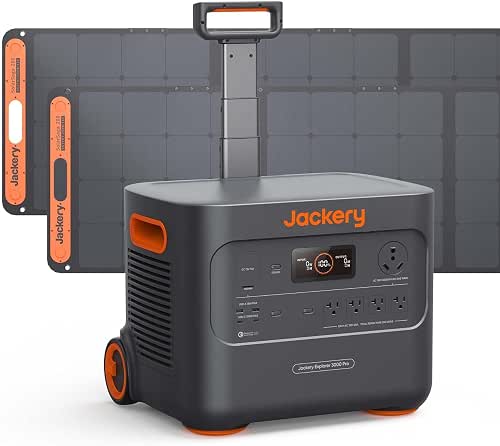
Jackery Portable Power Stations
Jackery offers a selection of compact and lightweight portable power stations.
These power stations are designed with outdoor enthusiasts in mind and offer convenient recharge options such as solar and car charging.
They are equipped with advanced battery management systems for efficient power distribution.
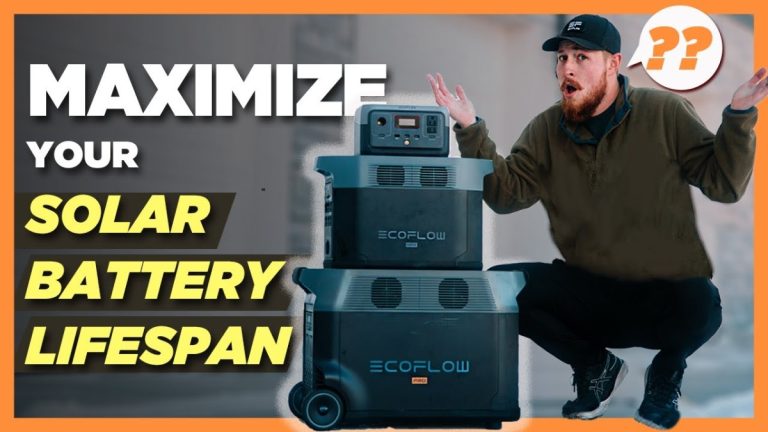
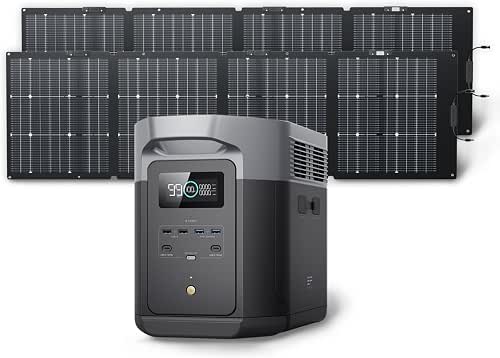
EcoFlow Delta Series
The EcoFlow Delta Series is a line of high-capacity portable power stations designed for off-grid living.
These power stations feature rapid recharge capabilities, multiple AC and DC outlets, and advanced battery management systems.
The Delta Series offers robust power solutions for those with higher energy requirements.
BLUETTI AC200P
The BLUETTI AC200P is a high-capacity portable power station with a massive 2000Wh lithium battery.
It offers multiple AC and DC outlets, solar charging compatibility, and advanced safety features.
The BLUETTI AC200P is suitable for powering a wide range of appliances and devices in off-grid living scenarios.
Grecell 4000W Portable Power Station
Power your home all at once. The GRECELL S5 power station includes 16 outlets — 6*AC outlets, 4*USB-A ports, 2*USB-C ports, 2*DC ports, 1 XT90 port and 1 cigarette lighter.
With a vast 5040Wh capacity and massive 4000W power output, it supports 99.9% of home appliances- electric vehicles, TV, coffee maker, air conditioner, toaster, microwave oven, CPAP, drill, Juicer, hair dryer, etc.
30A RV outlet offers massive power for your RVs or travel trailers and is very suitable for long-distance travel.
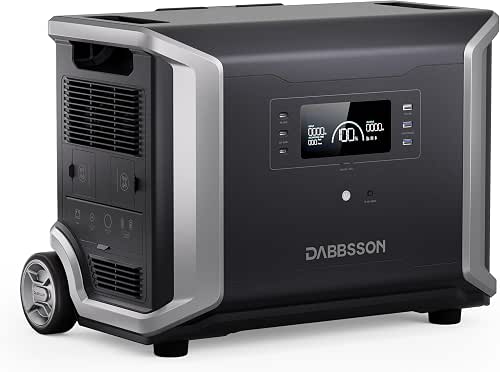
Dabbsson DBS3500 Portable Power Station
Massive Power Output: The DBS3500 power station offers a robust 3600W AC output, capable of handling even most 99% of devices, including electric vehicles, home appliances, and power tools.
And if that’s not enough, you can combine two DBS3500 units to get a more impressive 7000W to stay powered for higher-wattage equipment.
Success Stories and Real-Life Examples of Off-Grid Living with Portable Power Stations
Case Study: Off-Grid Cabin Power Supply
John and Sarah decided to build an off-grid cabin in a remote location.
To meet their power needs, they installed a portable power station with a solar panel setup.
The power station provided enough electricity to run essential appliances, including a small refrigerator, lighting, and communication devices.
They were able to enjoy a sustainable and comfortable off-grid lifestyle, reducing their dependence on traditional energy sources.
Homesteading with Portable Power Stations
Sarah and Mark chose to homestead in a rural area without access to the power grid.
They relied on a portable power station to meet their energy needs.
With careful energy management and the use of energy-efficient appliances, they were able to power essential devices, charge their electronic devices, and maintain a comfortable living environment on their homestead.
Solar-Powered Tiny House
Emily decided to live in a solar-powered tiny house to embrace an eco-friendly lifestyle.
She installed a portable power station with solar panels on the roof of her tiny house.
The power station provided her with sufficient electricity to power her lights, kitchen appliances, and charge her electronic devices.
Emily enjoyed the freedom of living off-grid and minimizing her carbon footprint.
Mobile Living with Portable Power Stations
Michael and Lisa embarked on a life of mobile living in their RV.
They equipped their RV with a portable power station and solar panels on the roof.
The power station allowed them to power their appliances, charge their devices, and even run a small air conditioner.
Their portable power station provided them with the necessary independence and convenience while on the move.
Conclusion and Future Outlook for Portable Power Stations in Off-Grid Living
The use of portable power stations for off-grid living offers numerous benefits, including reduced dependence on traditional energy sources, cost-effectiveness, environmental friendliness, and ease of installation and portability.
The components and working principles of portable power stations, along with the factors to consider when choosing one, have been discussed.
Assessing power needs, the applications of portable power stations, and considerations for sustainable and efficient use have also been explored.
While portable power stations have their limitations and challenges, advancements in technology are continuously improving their power capacity, efficiency, and reliability.
Integration with renewable energy systems and the growing availability of portable power station options are creating exciting possibilities for off-grid living.
As portable power stations become more accessible and popular, they will play an increasingly significant role in achieving energy independence and supporting sustainable off-grid lifestyles.