How To Use Portable Power Stations On Remote Construction Sites

Ever wondered about how to use portable power stations on remote construction sites Imagine being on a remote construction site where access to electricity is limited or non-existent.
It can pose a major challenge, hindering progress and productivity.
However, there might be a solution to this problem: portable power stations.
These innovative devices are designed to provide a reliable source of energy even in the most remote locations.
In this article, we will explore the feasibility and benefits of using portable power stations on construction sites, ensuring that you never have to worry about power shortages again.
[embedyt] https://www.youtube.com/watch?v=8QVdaUDXjSA[/embedyt]Factors to Consider
Power Capacity
When selecting a portable power station for your remote construction site, power capacity is a crucial factor to consider.
You need to ensure that the power station can provide enough energy to support your equipment and tools.
Consider the wattage and voltage requirements of your devices to determine the capacity you need.
It’s always better to choose a power station with a higher capacity to accommodate any future power needs.
Size and Portability
Another important factor to consider when using portable power stations on remote construction sites is the size and portability of the power station.
As it will be used in a remote construction site, it should be easily transported and maneuvered.
Look for compact and lightweight models that are designed for easy handling and transportation.
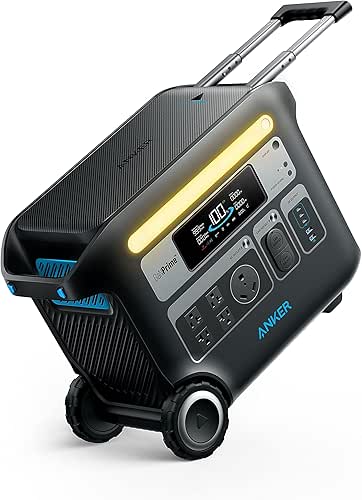
Some power stations even come with built-in handles or wheels to make moving them around the site effortless.

Durability and Weather Resistance
Construction sites can be rough environments, so it’s essential to choose a power station that is built to withstand tough conditions.
Look for models that are rugged and durable, with sturdy construction and protective casings.
Additionally, consider the weather resistance of the power station.
It should be able to withstand extreme temperatures, moisture, and dust to ensure consistent performance even in adverse weather conditions.
Ease of Use
Using portable power stations on remote construction sites should be simple and straightforward.
Look for models that have user-friendly interfaces and easy-to-understand controls.
Some power stations even come with intuitive mobile apps that allow you to monitor and control the unit remotely.
A power station with clear labeling and instructions will save you time and confusion on the job site.
Safety Features
Safety should be a top priority when using portable power stations.
Look for models that have built-in safety features such as surge protection, overload protection, and short-circuit protection.
These features will help protect your devices and equipment from damage in case of power fluctuations or emergencies.
Additionally, some power stations have built-in cooling systems to prevent overheating and ensure safe operation.
Types of Portable Power Stations
Battery-Based Power Stations
Battery-based power stations, also known as portable battery generators, use rechargeable batteries to store and distribute power.
They are silent, emission-free, and easy to use.
These power stations are ideal for construction sites as they can provide a reliable and continuous power supply without the need for fuel.
They are also lightweight and portable, making them easy to transport around the site.
Fuel-Based Power Stations
Fuel-based power stations, such as gasoline or diesel generators, use fossil fuels to generate electricity.
These power stations are known for their high power output and long run times.
They are suitable for heavy-duty power requirements and can power multiple tools and equipment simultaneously.
However, they require a constant supply of fuel and produce emissions, making them less environmentally friendly compared to battery-based power stations.
Hybrid Power Stations
Hybrid power stations combine the benefits of battery-based and fuel-based power stations.
They use a combination of rechargeable batteries and fuel generators to provide power.
These power stations offer the best of both worlds, as they can provide a continuous power supply while also having the ability to recharge the batteries using fuel.
They are versatile and can be used in various construction scenarios, providing flexibility and reliability.
Power Source Options
Solar Power
Solar power is an excellent option for using portable power stations on remote construction sites.
Many portable power stations come with built-in solar panels or have the capability to connect external solar panels.
By harnessing the power of the sun, these power stations can recharge their batteries and provide a sustainable source of energy.
Solar power is clean and renewable, making it an environmentally friendly choice for powering your construction site.
Wind Power
While less common than solar power, wind power can also be utilized to charge portable power stations.
Some power stations have the option to connect wind turbines to generate electricity.
If your construction site is located in an area with consistent wind conditions, this can be a viable power source.
Wind power is another clean and renewable option that can help reduce your carbon footprint.
Gasoline or Diesel Generators
For construction sites where solar or wind power may not be feasible, gasoline or diesel generators can be used to recharge portable power stations.
These generators provide a reliable and readily available source of power.
However, it’s important to consider the emissions and noise levels associated with these generators.
They require fuel and proper ventilation to ensure safe operation.
Key Features to Look For
Multiple Power Outlets
Having multiple power outlets is essential to accommodate different types of equipment and devices.
Look for models that offer a variety of outlets, including AC outlets for powering larger tools and appliances, as well as DC outputs and USB ports for charging smaller devices.
USB Ports and DC Outputs
Ensure that the power station has USB ports and DC outputs for charging phones, tablets, and other low-power devices.
These ports provide convenience and flexibility for charging multiple devices simultaneously.
Battery Management System
A battery management system is crucial for optimizing the performance and lifespan of the batteries in the power station.
It helps prevent overcharging, undercharging, and overheating, ensuring the longevity of the batteries.
Inverter and Pure Sine Wave Output
An inverter and pure sine wave output are important features to look for, especially if you have sensitive electronics or appliances that require a clean and stable power supply.
Pure sine wave output ensures that your devices run smoothly without any disruptions or damage.
Charging Options
Consider the charging options available for the power station.
Look for models that offer multiple charging methods such as solar, AC, and DC charging.
This provides flexibility and convenience, allowing you to recharge the power station in various ways depending on the availability of power sources.
LCD Display
An LCD display is a helpful feature that provides real-time information about the power station’s battery level, input/output power, and other important indicators.
It allows you to monitor and manage the power station more effectively.
Built-in Inverter
Having a built-in inverter eliminates the need for an external inverter, saving you space and additional costs.
It simplifies the setup process and ensures compatibility with a wider range of devices.
Battery Type
Consider the type of battery used in the power station.
Lithium-ion batteries are commonly used due to their high energy density, lightweight design, and longer lifespan compared to other battery types.
Other Considerations
Run Time and Recharge Time
Take into account the run time and recharge time of the power station.
The run time refers to how long the power station can provide power continuously, while the recharge time is the time it takes to fully recharge the batteries.
Consider your specific power needs and the availability of charging methods to ensure the power station can meet your requirements.
Maintenance and Service
Check the maintenance requirements and availability of service for the power station.
Some models might require periodic maintenance or software updates to ensure optimal performance.
Additionally, make sure there is customer support or authorized service centers available to assist with any issues that may arise.
Warranty
A warranty is an important factor to consider when investing in a portable power station.
Look for models that come with a generous warranty period to protect your investment.
A warranty provides peace of mind and assurance that the manufacturer stands behind their product’s quality.
Cost
The cost of a portable power station is an important consideration.
Determine your budget and compare different models based on their features and capabilities.
It’s important to find a balance between cost and the power station’s performance, durability, and suitability for your construction site needs.
Best Portable Power Stations for Construction Sites
EcoFlow River Pro 720 Wh
The EcoFlow River Pro 720 Wh is a compact and lightweight portable power station that offers a high-capacity battery.
It features multiple power outlets, USB ports, and DC outputs, allowing you to power various tools and devices simultaneously.
With its built-in inverter and pure sine wave output, it can safely power sensitive electronics.
The EcoFlow River Pro also has a user-friendly interface with an LCD display for easy monitoring and management.
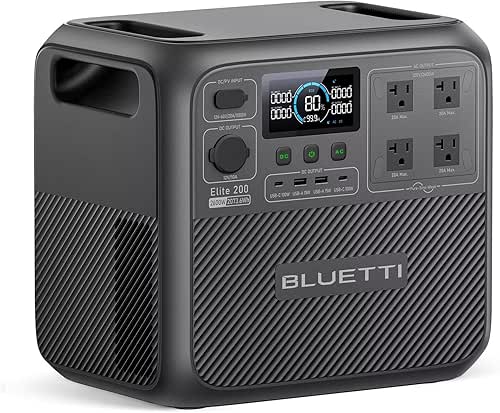
BLUETTI AC200P
With the remarkable 2000Wh of capacity and a strong 2000W inverter, this BLUETTI AC200P power station can power 99% of home devices, giving you confidence in any emergency.
The ultra-safe LiFePO4 battery cells and premium BMS tech offer multiple protections to your AC200P, making it a reliable power backup that can last longer than a decade.
6 AC ports, standard USB-A/Type-C/Car port plus 2 wireless charging pads always can service your various needs, while a 12V/25A DC port will power your DIY work.
Goal Zero Yeti 400 Lithium
The Goal Zero Yeti 400 Lithium is a popular choice for construction sites due to its excellent performance and reliability.
This portable power station features a lithium-ion battery, providing a longer lifespan and higher energy density compared to traditional lead-acid batteries.
It offers a variety of power outlets, USB ports, and a built-in inverter for convenient power options.
The Yeti 400 Lithium also has a robust construction and weather resistance, ensuring durability in harsh conditions.
Anker Powerhouse 200
The Anker Powerhouse 200 is a compact and lightweight portable power station that is perfect for on-site power needs.
It features a large capacity battery and offers multiple power outlets and USB ports for charging various devices simultaneously.
The Anker Powerhouse 200 also has a user-friendly design with an LCD display that provides real-time power information.
With its built-in inverter and pure sine wave output, it can safely power sensitive electronics without any issues.
Conclusion
When it comes to using portable power stations on remote construction sites, it’s important to consider factors such as power capacity, size and portability, durability and weather resistance, ease of use, safety features, and power source options.
By taking these factors into account, you can choose a suitable power station that meets your specific needs.
The EcoFlow River Pro 720 Wh, Jackery Explorer 1000, Goal Zero Yeti 400 Lithium, and Anker Powerhouse 200 are all excellent options that offer reliability, performance, and convenient features.
With the right portable power station, you can ensure a consistent and efficient power supply for your construction site, making your work easier and more productive.