How Do I Know If A Portable Power Station Is Compatible With My Specific Devices?
Have you ever wondered if a portable power station is compatible with your specific devices?
With the ever-growing range of portable power options available, it can be overwhelming to choose the right one.
But don’t worry, we’ve got you covered!
In this article, we’ll guide you through the process of determining whether a portable power station is compatible with your specific devices, so you can make an informed decision and never run out of power again.
Let’s get started!
[embedyt] https://www.youtube.com/watch?v=NWWI9DgT8qM[/embedyt]How Do I Know If A Portable Power Station Is Compatible With My Specific Devices?
So, you’ve decided to invest in a portable power station to keep your devices charged and powered wherever you go.
But before you make a purchase, it’s important to ensure that the power station is compatible with your specific devices.
In this article, we will walk you through the steps to determine compatibility and help you make an informed decision.
Researching and Understanding Power Output
The first step in determining if a portable power station is compatible with your devices is to research and understand its power output.
Portable power stations come with various power outputs, measured in watts.
You need to identify the power requirements of your devices, such as smartphones, tablets, laptops, cameras, or other electronic gadgets.
Take a look at the power rating of your device’s charger or power adapter.
Typically, it will mention the required voltage (V) and wattage (W).
Understanding these power requirements is crucial in finding a power station that can meet your device’s charging needs.


Checking Voltage and Wattage Requirements
Once you have identified the voltage and wattage requirements of your devices, you can check if the portable power station matches those specifications.
Most power stations have multiple AC outlets, USB ports, and DC outputs to cater to different devices.
Make sure that the voltage output of the power station matches the voltage requirement of your device.
If your device requires 12V, ensure that the power station provides a 12V output option.
Similarly, the wattage output should be sufficient to meet or exceed the requirement of your device.
Matching the voltage and wattage ensures safe and efficient charging without causing any damage to your devices.
Considering Device Compatibility
While checking the power output is crucial, it’s also important to consider the compatibility of your devices with the power station.
Some devices require a pure sine wave power source, while others can work with a modified sine wave.
Pure sine wave power sources provide a high-quality electrical output, similar to the power you would receive from a conventional electrical outlet.
On the other hand, modified sine wave power sources may not be suitable for sensitive devices like medical equipment or certain tools.
Before purchasing a power station, consult the device manufacturer’s guidelines or specifications to determine if it requires a pure sine wave power source.
Investing in a power station that offers this feature can protect your devices and ensure proper functioning.
Analyzing Charging Ports and USB Outputs
In today’s digital age, most portable devices rely on USB charging.
Therefore, it’s crucial to analyze the charging ports and USB outputs of the power station to ensure compatibility with your devices.
Check for the availability of USB-A, USB-C, or any other ports required for your devices.
Consider the number of charging ports available on the power station.
If you have multiple devices, having more charging ports can be convenient.
Also, look for features like fast charging or Quick Charge support, which can reduce charging time and keep your devices ready for use in a shorter period.
Assessing Battery Capacity and Charging Time
The battery capacity of a portable power station determines how long it can power your devices.
If you need to charge multiple devices or power larger devices like laptops or portable refrigerators, consider a power station with a higher battery capacity.
Assess how long each charge can sustain your devices to ensure it meets your requirements.
Additionally, the charging time of the power station is another factor to consider.
Some power stations may take longer to recharge, which may be inconvenient if you rely heavily on them.
Look for power stations that offer faster charging times, especially if you frequently find yourself needing a quick recharge.
Evaluating Additional Features and Functionality
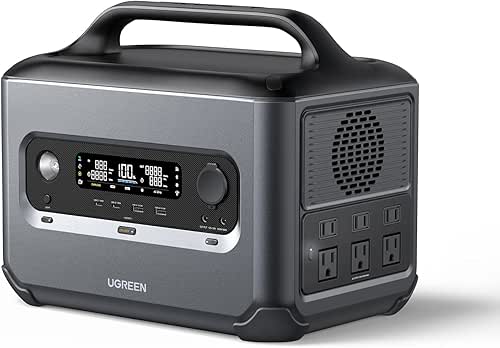
Different power stations come with various additional features and functionalities that can enhance your charging experience.
Some may include built-in LED lights, solar panel compatibility, or even wireless charging pads.
Assess these additional features to see if they align with your needs and preferences.
While these features may not be directly related to compatibility, they can contribute to the overall convenience and usefulness of the power station.
Reading Manufacturer’s Specifications
Reading the manufacturer’s specifications and product descriptions is crucial in understanding the compatibility of a portable power station.
Take the time to carefully review these documents to ensure that the power station meets your device requirements.
Pay attention to any compatibility warnings or restrictions mentioned by the manufacturer.
Exploring Customer Reviews and Feedback
One of the best ways to gauge the compatibility of a portable power station is by exploring customer reviews and feedback.
Look for reviews from customers who have used the power station with devices similar to yours.
Check if there are any complaints regarding compatibility issues or any positive remarks about the power station’s performance.
This firsthand information can provide valuable insight into the compatibility of the power station with your specific devices.
Using Compatibility Charts and Guides
Many power station manufacturers provide compatibility charts and guides to help customers identify if their devices are compatible with the power station.
These charts list commonly used devices and indicate whether they are compatible or not.
Check if the manufacturer of the power station you are considering offers such resources.
They can be a quick and reliable way to determine if your devices will work seamlessly with the power station.
Seeking Professional Assistance
If you are still unsure about the compatibility of a portable power station with your specific devices, it’s always a good idea to seek professional assistance.
Reach out to the manufacturer’s customer support or consult an electrician or tech expert who can guide you based on your device requirements.
They can provide expert advice and help you make an informed decision about the compatibility of the power station.
In conclusion, ensuring the compatibility of a portable power station with your specific devices is vital to avoid any charging issues or potential damage.
By researching power output, voltage and wattage requirements, device compatibility, charging ports, battery capacity, additional features, and seeking customer reviews and professional assistance, you can confidently choose a power station that meets your needs and keeps your devices powered up wherever you go.