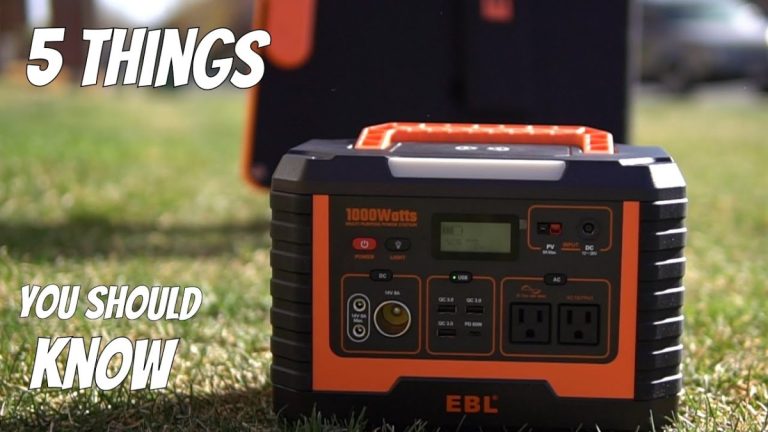
What’s The Typical Recharge Time For Portable Power Stations?
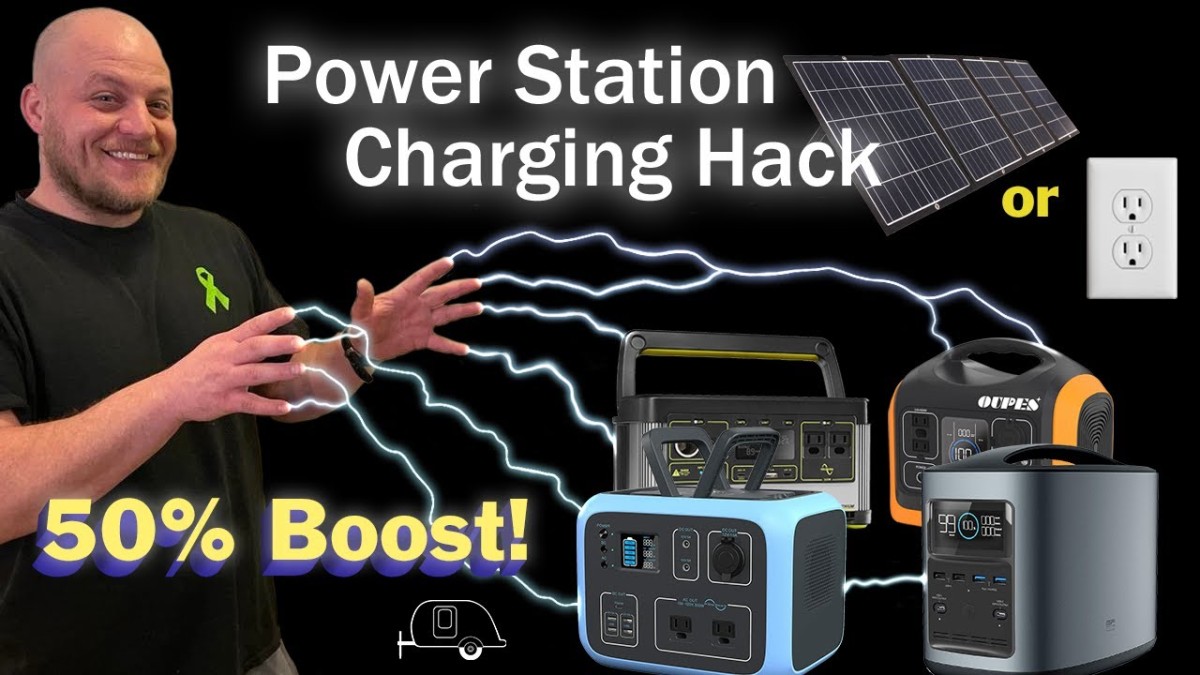
Have you ever found yourself in a situation where your phone battery is on its last legs and there’s no power outlet in sight?
Luckily, portable power stations are here to save the day.
But one burning question remains: what is the typical recharge time for portable power stations?
Whether you’re a tech enthusiast or someone who simply wants to stay connected on the go, understanding the recharge time of portable power stations is essential.
In this article, we will explore the average time it takes for these handy devices to get back to full power, so you can make better decisions when it comes to choosing the right one for your needs.
[embedyt] https://www.youtube.com/watch?v=arSJPs0ykuQ[/embedyt]Factors Affecting Recharge Time for Portable Power Stations
Battery Capacity
One of the key factors that affects the recharge time for portable power stations is its battery capacity.
The larger the battery capacity, the longer it will take to recharge.
This is because a larger battery requires more energy to be fully charged.
So, if you have a portable power station with a higher battery capacity, you can expect a longer recharge time.
Charging Method
The charging method used for a portable power station also plays a significant role in determining its recharge time.
There are generally two main charging methods: AC charging and solar charging.
AC charging involves connecting the power station to a power outlet using a wall adapter, while solar charging utilizes solar panels to convert sunlight into electricity.
It is important to note that solar charging typically takes longer compared to AC charging, as it relies on the availability and strength of sunlight.
Input Power
Another crucial factor that affects recharge time is the input power.
The input power refers to the rate at which power is supplied to the portable power station during charging.
Higher input power generally results in faster recharge times.
Therefore, it is recommended to use a charger that provides higher input power, such as a high-power wall adapter or a compatible solar panel with greater wattage, to reduce recharge time.
Battery Health
The health of the battery in a portable power station also impacts its recharge time.
Over time, batteries can degrade, resulting in reduced charging efficiency.
If the battery health is compromised, it may take longer to recharge the power station to its full capacity.
It is important to properly maintain the battery health by following manufacturer guidelines, avoiding extreme temperatures, and not overcharging or discharging the power station excessively.
Fast Charging Technologies
Power Delivery (PD)
Power Delivery (PD) is a fast charging technology that allows for increased power transfer between the charger and the device being charged.
It utilizes higher wattage and voltage to accelerate the charging process.
PD chargers are compatible with various devices, including portable power stations, and can significantly reduce recharge times.
However, it is important to ensure that both the charger and the power station support PD for maximum effectiveness.
Quick Charge (QC)
Quick Charge (QC) is another fast charging technology designed by Qualcomm for devices powered by their Snapdragon processors.
QC chargers deliver higher voltage and current to optimize charging efficiency.
Portable power stations that support Quick Charge can take advantage of this technology to minimize recharge times.
Like PD, it is necessary to ensure compatibility between the charger and the power station to fully utilize QC technology.
Adaptive Fast Charging (AFC)
Adaptive Fast Charging (AFC) is a fast charging technology developed by Samsung.
It dynamically adjusts the charging output based on the device’s battery health and power requirements.
This allows for efficient and optimized charging, reducing the recharge time significantly.
Portable power stations equipped with AFC can benefit from faster charging speeds, ensuring quick access to power when needed.
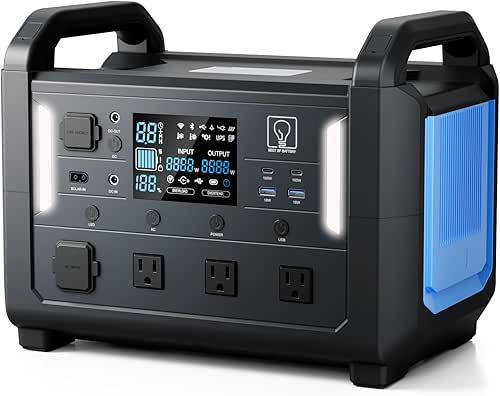

Specific Recharge Times for Popular Portable Power Stations
Battery Capacity – 500Wh
Portable Power Stations with a battery capacity of 500Wh typically take around 8-10 hours to fully recharge using an AC charger with an input power of 100W.
However, if you opt for solar charging, the recharge time for portable power stations can vary depending on the strength of sunlight and the wattage of the solar panel used.
Battery Capacity – 1000Wh
Portable Power Stations with a larger battery capacity of 1000Wh require approximately 16-20 hours for a complete recharge using a high-power wall adapter with an input power of 300W.
Similarly, solar charging time will be influenced by factors such as solar panel wattage and sunlight availability.
Battery Capacity – 1500Wh
Portable Power Stations equipped with a massive battery capacity of 1500Wh take approximately 24-30 hours to fully recharge using an AC charger with an input power of 500W.
It is important to consider the longer recharge time when planning your power needs, especially when using a power station with such high capacity.
Tips to Reduce Recharge Time for Portable Power Stations
Use High-Power Chargers
To reduce recharge time, it is recommended to use high-power chargers that offer higher input power.
Look for chargers with Power Delivery (PD) or Quick Charge (QC) support, as these technologies can significantly accelerate the charging process.
Make sure to check if your portable power station is compatible with these fast charging technologies to maximize their benefits.
Avoid Charging Other Devices Simultaneously
When charging your portable power station, it is advisable to avoid charging other devices simultaneously.
Sharing the charging capacity with numerous devices can slow down the recharge time of the power station.
Dedicate the charger solely to the power station to ensure it receives maximum input power and charges at the fastest possible rate.
Maintain Battery Health
Regularly maintaining the battery health of your portable power station is essential for optimal performance.
Follow the manufacturer’s guidelines on battery care, avoid extreme temperatures, and prevent overcharging or discharging the power station excessively.
By keeping the battery in good health, you can minimize the recharge time and ensure prolonged battery life.
Conclusion
The recharge time for portable power stations can vary depending on several factors such as battery capacity, charging method, input power, and battery health.
Understanding these factors and utilizing fast charging technologies such as Power Delivery (PD), Quick Charge (QC), and Adaptive Fast Charging (AFC) can significantly reduce recharge times.
Additionally, choosing a high-power charger, avoiding simultaneous charging of other devices, and maintaining the battery health will further optimize the recharge time.
By considering these factors and implementing the recommended tips, you can enjoy quicker recharge times and uninterrupted access to portable power when you need it most.