Can Portable Power Stations Backup Home Security Camera Systems?
In today’s world, where security is of utmost importance, ensuring the constant functionality of home security camera systems is crucial.
But what happens when the power goes out?
That’s where portable power stations come into play.
Can portable power Stations Backup Home Security Camera Systems?
These versatile devices have the potential to provide a much-needed backup power source, ensuring that your home remains under surveillance even during unexpected blackouts.
So, let’s explore the potential of portable power stations and their ability to ensure the uninterrupted operation of home security camera systems.
[embedyt] https://www.youtube.com/watch?v=SQJnHB8G0_Q[/embedyt]Overview of portable power stations
Definition and purpose of portable power stations
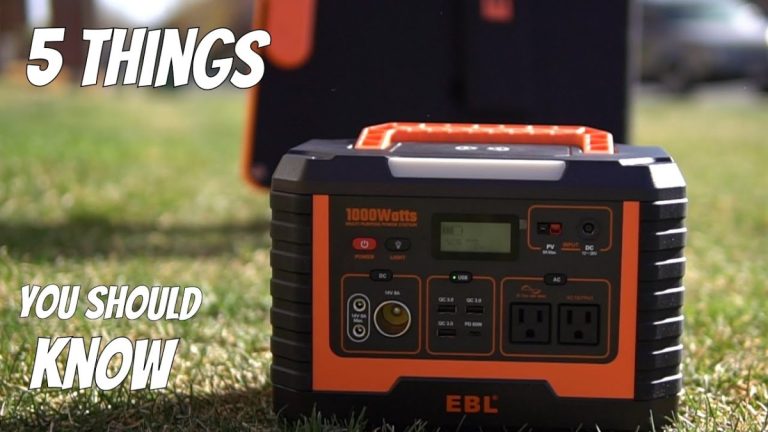
Portable power stations, also known as portable generators or battery power stations, are compact and self-contained devices that provide electrical power on the go.
These stations are designed to store energy, either from an electrical outlet or through renewable sources like solar panels or wind turbines, and then supply that power to various devices and appliances.
Their primary purpose is to offer a reliable source of electricity when traditional power sources are unavailable or impractical.
Types and features of portable power stations
There are different types of portable power stations available in the market.
Some models rely on battery power and are charged by being plugged into an electrical outlet or using renewable energy sources.
Others are fueled by gasoline, diesel, or propane, providing a more versatile and instantaneous power supply.
Portable power stations come equipped with various features to meet different needs.
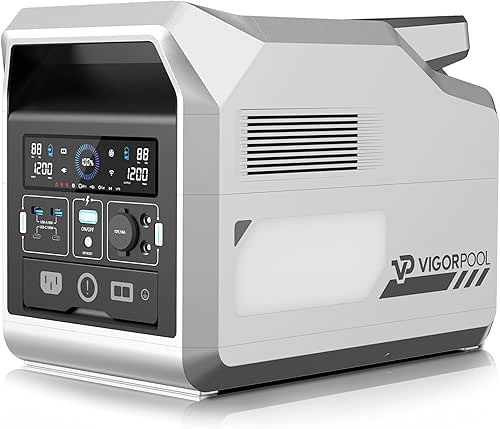
They typically include multiple power output ports and connection options, allowing users to charge or power different devices simultaneously.
Many models also feature built-in inverters to convert DC power to the AC power needed by most household appliances.
Some advanced portable power stations even include digital displays, USB ports, and wireless connectivity for monitoring and controlling the device remotely.
Advantages and limitations of portable power stations
Portable power stations offer several benefits that make them attractive for a variety of applications.
Firstly, they provide portable and reliable electricity, allowing users to power devices and appliances wherever they go, whether it’s on a camping trip, during a power outage, or at a remote worksite.
Another advantage of portable power stations to backup home security camera systems is their eco-friendliness.
Models that harness renewable energy sources such as solar or wind power help reduce reliance on fossil fuels and minimize the carbon footprint.
Furthermore, these stations operate silently, providing power without the noise associated with traditional generators.
However, it’s important to note that portable power stations also have their limitations.
The amount of electricity they can generate is limited by their battery capacity or fuel supply, making them suitable for powering small to medium-sized devices but not heavy-duty appliances.
Additionally, recharging the batteries or refilling the fuel tanks can take time, and prolonged use may require backup energy sources or additional charging capabilities.
Importance of backup power for home security camera systems
Role of security cameras in home surveillance
Home security cameras play a crucial role in keeping your property safe and secure.
These cameras serve as a deterrent to potential intruders and provide valuable evidence in case of a break-in or other criminal activities.
By monitoring and recording activities in and around your home, security cameras give you peace of mind and the ability to quickly respond to any potential threats.
Potential risks and vulnerabilities of power outages
However, home security cameras heavily rely on a continuous supply of power to operate effectively.
Power outages can greatly compromise the functionality and effectiveness of your security camera system.
In the event of a power outage, camera feeds and recording capabilities may be completely disrupted, leaving your property vulnerable and reducing your ability to monitor and respond to security threats.
The need for uninterrupted power supply
To ensure the uninterrupted operation of your home security camera system, backup power solutions are essential.
By providing backup electricity during power outages, these stations help maintain the functionality and effectiveness of your security cameras, ensuring that your property remains protected at all times.
Understanding the compatibility
Power requirements of home security camera systems
Before selecting a portable power station for your home security camera system, it is important to understand the power requirements of your cameras.
Different camera models may have varying power needs, including voltage specifications and power consumption levels.
Consult the manufacturer’s specifications or seek professional advice to determine the power requirements of your specific camera system.
Voltage specifications of portable power stations
Portable power stations offer different voltage outputs to accommodate a range of devices and appliances.
It is essential to choose a power station that matches the voltage specifications of your security cameras.
Mismatched voltage can lead to damage to your cameras or cause them to function improperly.
Ensure that the portable power station you choose provides the correct voltage output required to backup your home security camera system.
Matching power output with camera system needs
Aside from voltage specifications, it is also crucial to consider the power output capacity of the portable power station.
Ensure that the power station can deliver sufficient power to meet the needs of your security camera system.
Factors such as the number of cameras, their power consumption, and any additional devices or appliances you may want to power simultaneously should be taken into account when selecting a power station with an appropriate power output.

Key features to consider
Battery capacity and runtime
When choosing a portable power station for your home security camera system, consider the battery capacity and runtime.
The battery capacity determines how much power the station can store, while the runtime indicates how long it can power your cameras before needing to be recharged.
Select a power station with sufficient battery capacity and runtime to meet the requirements of your security camera system, especially during extended power outages.
Output ports and connection options
Ensure that the portable power station has an adequate number of output ports and supports the appropriate connection options for your security camera system.
Consider the types of connectors or cables required by your cameras and any additional devices you wish to power.
Multiple output ports and versatile connection options will allow you to connect and power all necessary components simultaneously.
Charging capabilities and recharging time
It is essential to consider the charging capabilities of the portable power station.
Determine whether it can be charged using an electrical outlet, solar panels, or other renewable energy sources.
Additionally, assess the recharging time required to replenish the battery or fuel supply fully.
Opt for a power station that offers efficient charging options and a reasonable recharging time to minimize downtime and ensure a continuous power supply to your cameras.
Weight, size, and portability
Consider the weight, size, and portability of the portable power station, especially if you plan to move or transport it frequently.
Lighter and more compact models are easier to carry and transport, making them ideal for outdoor or on-the-go surveillance setups.
However, ensure that the reduced size does not compromise the power capacity and runtime required by your security camera system.
Durability and weather resistance
Since portable power stations are designed for outdoor use, it is crucial to choose a model that is durable and weather-resistant.
Look for power stations to backup home security camera systems with rugged construction and features like waterproof or weather-sealed enclosures that can withstand various environmental conditions.
This will ensure the long-term reliability and protection of your backup power system, preventing damage from rain, snow, or other outdoor elements.
Advantages of using portable power stations
No reliance on grid electricity
One of the significant advantages of using portable power stations for backup power is the freedom from relying solely on grid electricity.
Traditional power outages caused by storms, grid failures, or other unforeseen events will not disrupt the functionality of your security camera system if it is backed up by a portable power station.
This independence from the grid ensures that your cameras remain operational, providing continuous surveillance and protection.
Increased flexibility and installation options
Portable power stations offer increased flexibility in terms of installation options for your security camera system.
Unlike traditional backup generators that require permanent installation and connection to the electrical circuits of your home, portable power stations can be set up anywhere.
This allows you to easily reposition or relocate your cameras as needed without worrying about electrical connections.
It also enables surveillance in remote areas or places without access to mains power.
Cost-effectiveness compared to alternative solutions
Portable power stations are a cost-effective solution for backup power compared to alternative solutions.
They generally require lower upfront costs and have lower maintenance requirements.
Unlike fuel-powered generators, which require regular refueling and ongoing maintenance, portable power stations often operate silently and have fewer moving parts, reducing the need for maintenance or repairs.
Additionally, the use of renewable energy options can provide long-term cost savings by minimizing the need for purchased fuel.
Reduction of downtime during power outages
By providing backup power, portable power stations ensure the continuous operation of your security camera system during power outages, reducing downtime significantly.
This uninterrupted surveillance is particularly crucial during emergencies or periods of high security concern when any loss of monitoring can have serious consequences.
With a well-planned backup power system in place, you can have peace of mind knowing that your cameras will continue providing essential surveillance even in challenging circumstances.

Considerations for long-term backup
Sustainable power options (solar panels, wind turbines)
For long-term backup power solutions, consider the use of sustainable power options in conjunction with portable power stations.
Solar panels and wind turbines can be used to harvest renewable energy, which can then be stored in the portable power station’s battery for future use.
This combination of sustainable power generation and battery storage ensures a continuous and environmentally friendly power supply to your security camera system, even during prolonged power outages.
Battery maintenance and lifespan
When relying on battery-powered portable power stations, it is essential to consider battery maintenance and lifespan.
Regular maintenance, such as proper storage and periodic recharging, can optimize the lifespan and performance of the batteries.
Additionally, knowing the expected lifespan of the battery and planning for battery replacement or refurbishment can help ensure long-term reliability and uninterrupted power supply for your security cameras.
Automated switching and monitoring systems
To enhance the efficiency and convenience of your backup home security camera system, consider integrating automated switching and monitoring systems.
These systems can be programmed to detect power outages and automatically switch to the portable power station as a backup power source.
Furthermore, real-time monitoring capabilities allow you to remotely monitor the status of your power station, including battery levels and charging progress.
This automation and monitoring ensure seamless operation and eliminate the need for manual intervention during power disruptions.
Integration with home backup power solutions
For comprehensive backup power solutions, consider integrating the portable power station with other home backup power options.
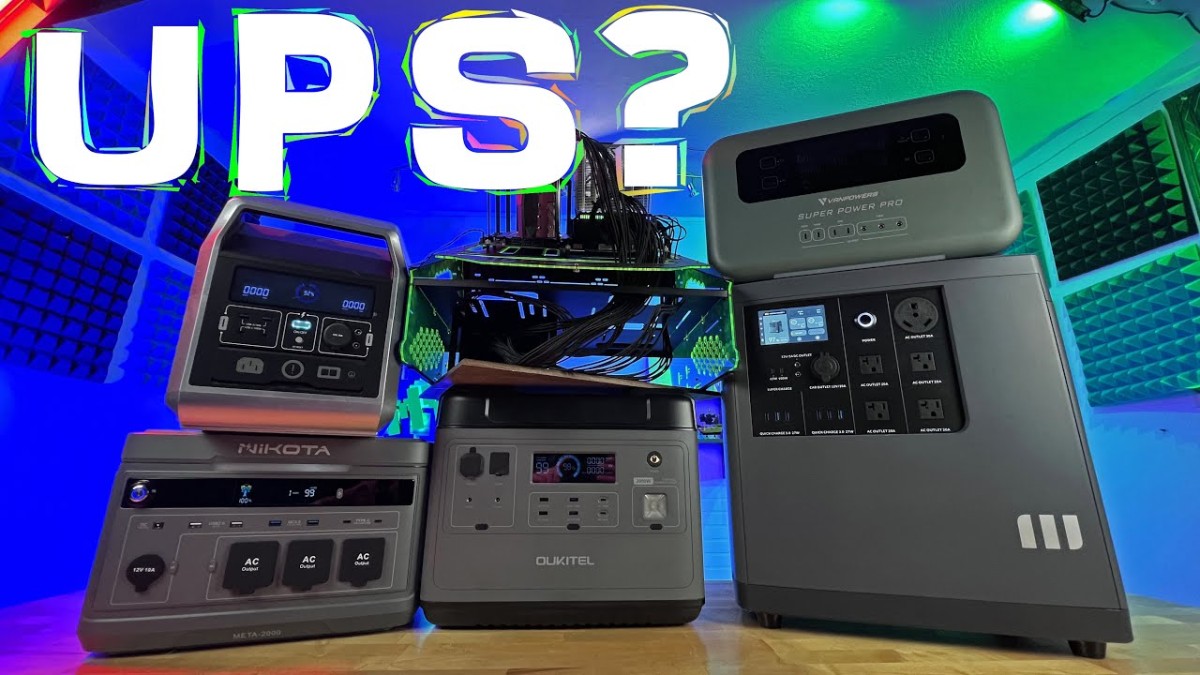
Standby generators or uninterruptible power supply (UPS) systems can supplement the portable power station, particularly in situations where extended power outages or high-power demand exceed the capacity of the portable power station alone.
This integration ensures a robust and reliable power backup system for your home security camera system, providing peace of mind in any scenario.
Installation and setup process
Positioning and mounting of security cameras
Proper positioning and mounting of security cameras are key to maximizing their effectiveness.
Before installing your security cameras, survey the area and identify strategic locations that provide optimal coverage.
Ensure that the cameras are positioned to cover entry points, pathways, and sensitive areas.
Mount the cameras securely using appropriate fixtures to prevent tampering or misalignment.
The setup process may vary depending on the specific camera model, so referring to the manufacturer’s installation instructions is recommended.
Connecting cameras to portable power stations
Once the security cameras are properly mounted, connect them to the portable power station.
Depending on the camera model, this may involve connecting power cables to the appropriate ports on the power station or using power connectors compatible with your cameras.
Ensure that the connections are secure and free from any potential hazards, such as loose or exposed wiring, to maintain a safe and reliable power supply to your cameras.
Ensuring proper cable management
Proper cable management is essential to maintain the integrity and reliability of your security camera system.
Secure and organize the cables using cable management solutions like cable ties or conduit tubing.
Avoid creating tripping hazards or exposing the cables to environmental elements that could damage them.
Regularly inspect and maintain cable connections to prevent loose or damaged cables that could disrupt the power supply to your cameras.
Testing and optimizing the backup system
After the installation and setup process, thoroughly test the backup system to ensure its functionality and performance.
Test each camera individually, verifying its power supply and recording capabilities.
Simulate power outages or disruptions to test the portable power station’s ability to provide backup electricity.
Make any necessary adjustments to optimize the backup system’s performance, such as adjusting camera angles, reviewing footage quality, or fine-tuning the power station’s settings.

Case studies and real-world examples
Successful implementation of portable power stations
Numerous homeowners and businesses have successfully implemented portable power stations as backup power solutions for their security camera systems.
In areas prone to frequent power outages, such as regions with severe weather conditions, portable power stations have proven invaluable in maintaining continuous surveillance and security.
These backup systems have been particularly effective in remote locations, construction sites, and outdoor events where access to grid electricity is limited.
Benefits experienced by homeowners and businesses
The implementation of portable power stations for security camera backups has provided significant benefits to homeowners and businesses alike.
Homeowners have enjoyed the peace of mind that comes with uninterrupted surveillance, ensuring the safety of their families and properties.
For businesses, the continuous operation of security cameras contributes to the prevention of theft, vandalism, and other criminal activities, safeguarding assets and enhancing overall security measures.
Challenges faced and lessons learned
While portable power stations offer effective backup power solutions, there have been challenges and lessons learned through real-world implementation.
One challenge is determining the correct power capacity and runtime required for different camera systems and setups.
It is essential to assess power needs accurately to avoid runtime limitations that could compromise surveillance during extended outages.
Additionally, ensuring proper maintenance, periodic testing, and battery replacement are crucial to maintaining the long-term reliability of the backup system.
Safety and security considerations
Protecting the portable power station from theft
Due to their portable nature, portable power stations can be vulnerable to theft if not properly secured.
To protect your investment, ensure that the power station is securely locked or tethered to a fixed structure using appropriate security measures like cables or chains.
Additionally, consider the installation of security cameras or motion-sensing lights to deter potential thieves and provide an added layer of security.
Maintaining camera functionality during emergencies
During emergencies or critical situations, it is vital to maintain the functionality of your security cameras to ensure continuous surveillance.
Regularly inspect and test your camera system to identify any potential issues that could compromise its operation during emergencies.
Ensure that backup power solutions are properly connected and that all devices are adequately protected from environmental elements that could disrupt their functionality.
Securing the backup power infrastructure
To ensure the integrity and reliability of the backup power infrastructure, take necessary precautions to secure the portable power station and related components.
Protect the power station from weather conditions by housing it in a weatherproof enclosure or placing it in a secure location.
Mitigate the risk of damage from accidental impacts or tampering by choosing secure mounting options.
Regularly inspect the backup power infrastructure for any signs of wear, damage, or potential security vulnerabilities.
Conclusion
Summary of the potential of portable power stations
With their compact size, versatile power output options, and various features, these stations can provide uninterrupted power supply to keep your cameras running during power outages or in locations without access to mains power.
Final thoughts on their suitability for security camera backups
Portable power stations are especially suitable for security camera backups due to their portability, eco-friendliness, and cost-effectiveness.
They offer increased flexibility, reduce downtime, and ensure reliable power supply for continuous surveillance and protection of your property.
The future of backup power solutions
As technology continues to advance, portable power stations are likely to evolve with new features and improved performance to backup home security camera systems.
With the growing emphasis on renewable energy and sustainability, the integration of portable power stations with solar panels, wind turbines, and other sustainable power sources will play a more significant role in future backup power solutions.
These advancements will further enhance the reliability and effectiveness of portable power stations in securing the power supply for home security camera systems and other critical applications.