Are There Portable Power Stations with Wireless Charging Capabilities?

Are you tired of constantly searching for a power outlet to charge your devices when you’re on the go?
Well, you’re in luck!
In this article, we will explore the exciting world of portable power stations with wireless charging capabilities.
Gone are the days of tangled wires and limited charging options – these innovative devices offer a convenient and efficient way to keep your electronics powered up, wherever you may be.
So, let’s discover the wonders of portable power stations and say goodbye to the hassle of traditional charging methods!
What Are Portable Power Stations?
Portable power stations are compact, battery-powered devices that provide a convenient and reliable source of electrical power.
They are designed to be portable, making them perfect for use in various outdoor activities, emergency situations, or as a backup power source for your electronic devices.
Definition and Features of Portable Power Stations
Portable power stations are essentially portable batteries that can store electrical energy and provide it whenever and wherever you need it.
They function by converting stored electricity into the desired form of power that can be used to charge your electronic devices, run small appliances, or even power lights and other electrical equipment.
One of the main features of portable power stations is their compact and lightweight design.
This makes them easy to carry around and transport, allowing you to have a reliable source of power while on the go.
Most portable power stations also come with built-in handles or straps for added convenience.
Another key feature of portable power stations is their multiple charging options.
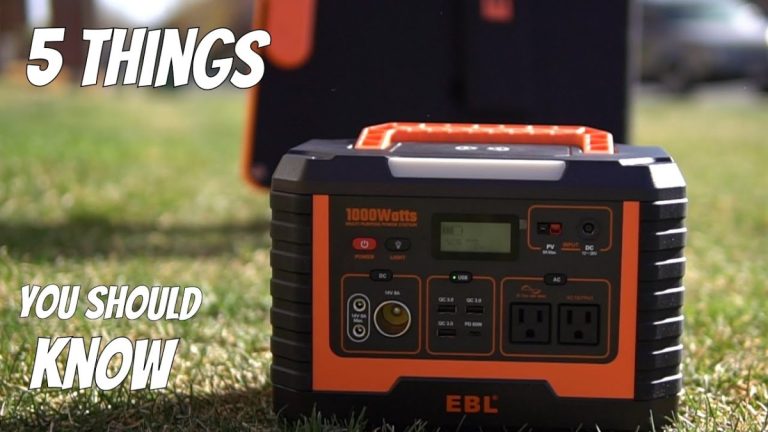
They are typically equipped with various types of outlets, such as AC outlets, DC outlets, USB ports, and even wireless charging capabilities.
This versatility allows you to charge a wide range of devices, from smartphones and tablets to laptops and even small appliances, all in one device.


Advantages of Portable Power Stations
Convenience and Portability
One of the major advantages of portable power stations is their convenience and portability.
Unlike traditional generators, which are often large, noisy, and require fuel, portable power stations are compact, quiet, and can be easily carried around.
This means that you can bring them with you on camping trips, outdoor adventures, or even use them during power outages at home.
Imagine being able to keep your devices charged, power your camping lights, or run a small portable cooler without the need for a noisy generator or access to an electrical outlet.
With a portable power station, you can enjoy the convenience of having a reliable source of power wherever you are.
Multiple Charging Options
Another advantage of portable power stations is their multiple charging options.
Most portable power stations come with a variety of outlets and ports, allowing you to charge your devices using different methods.
This versatility ensures that you can always find a way to charge your devices, regardless of their power requirements or the availability of traditional power sources.
Some portable power stations even come with wireless charging capabilities, which allow you to charge compatible devices simply by placing them on top of the power station.
This eliminates the need for cables or adapters, making it even more convenient to charge your devices on the go.
Introduction to Wireless Charging Technology
Definition and Basic Principles
Wireless charging technology, also known as inductive charging, is a method of charging electronic devices without the need for physical cables or connectors.
It works by using an electromagnetic field to transfer energy between two objects: a charging station and a device equipped with a wireless charging receiver.
The basic principle behind wireless charging is electromagnetic induction.
When a device with wireless charging capabilities is placed on a compatible charging station, an alternating current is generated in the charging station’s coils.
This alternating current creates an electromagnetic field, which in turn induces an alternating current in the coils of the device’s wireless charging receiver.
This current is then converted back into direct current to charge the device’s battery.
Advantages and Limitations
Wireless charging offers several advantages over traditional wired charging methods.
The most obvious benefit is the convenience and ease of use.
With wireless charging, you no longer need to fumble with cables or worry about inserting them correctly into your device.
Simply place your wireless charging-enabled device on a charging pad or station, and it will start charging automatically.
Additionally, wireless charging eliminates the wear and tear that can occur from repeated plugging and unplugging of cables.
This can help prolong the lifespan of your device’s charging port and reduce the risk of damage.
However, it’s important to note that wireless charging does have some limitations.
The charging speed of wireless charging is generally slower compared to wired charging.
This is because the energy transfer between the charging station and the device is not as efficient as a direct connection through a cable.
Also, the charging range of wireless charging is typically limited, requiring the device to be placed in close proximity to the charging station.
Portable Power Stations with Wireless Charging Capabilities
Overview of Wireless-Capable Power Stations
Portable power stations with wireless charging capabilities combine the benefits of both portable power stations and wireless charging technology.
These innovative devices allow you to enjoy the convenience of portable power and the ease of wireless charging in one compact and versatile package.
Wireless-capable power stations are equipped with built-in wireless charging pads or stations, enabling you to charge compatible devices simply by placing them on top of the power station.
This eliminates the need for cables or adapters, making it even more convenient to charge your devices while on the go.

Types and Brands
There are several types and brands of portable power stations with wireless charging capabilities available in the market today. Some popular options include:
- Goal Zero Yeti: Goal Zero is a well-known brand that offers a wide range of portable power stations, including models with wireless charging capabilities. Their Yeti series is particularly popular, offering reliable power solutions for camping, emergency situations, and outdoor adventures.
- Jackery Portable Power Stations: Jackery is another reputable brand that specializes in portable power stations. They offer several models with wireless charging capabilities, providing you with a convenient and reliable source of power for your devices.
- Anker PowerHouse: Anker is a trusted brand when it comes to portable charging solutions. Their PowerHouse series includes models with wireless charging capabilities, allowing you to charge your devices wirelessly wherever you are.
It’s important to consider your specific power needs and the charging compatibility of your devices when choosing a portable power station with wireless charging capabilities.
Reading reviews and comparing features can help you find the best option for your requirements.
How Do Portable Power Stations with Wireless Charging Capabilities?
Components and Integration of Wireless Charging
Portable power stations with wireless charging capabilities consist of several components that work together to provide a seamless charging experience. These components include:
- Battery Pack: The heart of the portable power station is the battery pack, which stores the electrical energy that will be used to charge your devices. Depending on the model, the battery pack can be lithium-ion, lithium-polymer, or another type of rechargeable battery technology.
- Inverter: The inverter is responsible for converting the stored DC (direct current) electricity from the battery pack into AC (alternating current) electricity. This allows you to power devices that require AC power, such as laptops or small appliances.
- Charging Circuit: The charging circuit is the part of the power station that handles the wireless charging functionality. It consists of coils, circuitry, and control mechanisms that generate the electromagnetic field necessary for wireless charging.
- Wireless Charging Receiver: To enable wireless charging, your device needs to have a wireless charging receiver. This receiver is a small component built into the device that detects and processes the electromagnetic field generated by the power station’s charging circuit. It then converts the received energy into usable power to charge the device’s battery.
The wireless charging functionality is seamlessly integrated into the overall design of the portable power station.
The power station provides power to the charging circuit, which generates the necessary electromagnetic field.
When a compatible device is placed on top of the power station, the wireless charging receiver in the device detects the field and initiates the charging process.
Charging Protocols and Compatibility
To ensure compatibility and efficient charging, portable power stations with wireless charging capabilities typically adhere to standard charging protocols.
The most common wireless charging standard is Qi (pronounced “chee”), which is supported by many devices from various manufacturers.
When choosing a portable power station with wireless charging, it’s important to check whether it supports the Qi standard or any other charging protocols that are compatible with your devices.
This ensures that you can charge your devices wirelessly without any compatibility issues.
Some portable power stations may also support fast wireless charging protocols, such as Qi’s 15W or 30W standards.
These protocols allow for faster charging speeds for devices that support them.
However, it’s worth noting that the charging speed will also depend on the specific power station model and the capacity of the device’s battery.
Key Considerations when Choosing a Portable Power Station with Wireless Charging
Battery Capacity and Output
The battery capacity and output are crucial factors to consider when choosing a portable power station with wireless charging capabilities.
The battery capacity determines how much electrical energy the power station can store, while the output determines how much power it can deliver to your devices.
Consider the power requirements of your devices and the duration for which you will need the power station to provide electricity.
If you plan on charging multiple devices or running appliances, a power station with a higher battery capacity and output will be essential.
It’s also worth noting that battery capacity is often measured in watt-hours (Wh) or ampere-hours (Ah), while the output is measured in watts (W) or volts (V).
Higher values generally indicate a larger power capacity and higher charging speeds.
Charging Speed and Efficiency
As mentioned earlier, wireless charging is generally slower than wired charging methods.
However, the charging speed can still vary between different portable power stations with wireless charging capabilities.
Some models may offer faster charging speeds than others, so it’s important to consider this factor if you need to quickly charge your devices.
Efficiency is another important consideration when it comes to wireless charging.
Higher efficiency means less power loss during charging and a more effective use of the power station’s battery capacity.
Look for power stations with higher charging efficiency to ensure a more sustainable and reliable source of power.
Wireless Charging Range and Performance
The wireless charging range refers to the distance between the power station’s charging pad or station and the device’s wireless charging receiver.
This range can vary between different power stations, and it’s important to consider it when choosing a portable power station with wireless charging capabilities.
If you often need to charge your devices from a distance, look for power stations with a longer wireless charging range.
Keep in mind that the charging speed and efficiency may decrease as the distance between the power station and the device increases.
Additionally, consider the performance of the wireless charging feature.
Read reviews or check specifications to ensure that the power station’s wireless charging functionality is reliable and compatible with your devices.
Look for power stations with positive user feedback regarding their wireless charging performance and compatibility.

Best Portable Power Stations with Wireless Charging
Top Recommendations and Reviews
- Goal Zero Yeti 500X: The Goal Zero Yeti 500X is a versatile portable power station with a 505-watt-hour battery capacity. It features a wireless charging pad that supports Qi-compatible devices. With multiple AC outlets, USB ports, and a 12V carport, it offers a wide range of charging options.
- Jackery Explorer 500: The Jackery Explorer 500 is another popular portable power station with a 518-watt-hour battery capacity. It comes with a built-in wireless charging pad that supports Qi-compatible devices. It also features multiple AC outlets, USB ports, and a 12V carport for added versatility.
- Anker PowerHouse II 400: The Anker PowerHouse II 400 is a compact and lightweight portable power station with a 388.8-watt-hour battery capacity. It offers a wireless charging pad that supports Qi-compatible devices, along with multiple AC outlets, USB ports, and a 12V carport.
These are just a few examples of portable power stations with wireless charging capabilities.
When choosing the best option for your needs, consider factors such as battery capacity, output, charging speed, efficiency, and compatibility with your devices.
Reading user reviews and comparing features can help you make an informed decision.
Alternative Solutions for Wireless Charging on the Go
Wireless Charging Adapters and Converters
If you already own a portable power station that doesn’t have built-in wireless charging capabilities, you can still enjoy the convenience of wireless charging by using wireless charging adapters or converters.
Wireless charging adapters are small devices that plug into the power station’s USB port or AC outlet.
They convert the power station’s output into a wireless charging signal that can be received by compatible devices.
This allows you to charge your devices wirelessly without the need for a dedicated wireless charging pad or station.
Wireless charging converters, on the other hand, are larger devices that provide a wireless charging pad or station, along with additional power outlets or ports.
They essentially add wireless charging capabilities to your existing power station, allowing you to charge your devices wirelessly while still having access to traditional charging options.
These wireless charging adapters and converters can be a cost-effective solution if you already have a portable power station and want to add wireless charging capabilities to it.
Solar-Powered Charging Stations
Another alternative solution for wireless charging on the go is solar-powered charging stations.
These stationary or portable devices use solar panels to convert sunlight into electrical energy, which is then stored in a battery pack.
They typically come with built-in wireless charging pads or stations, allowing you to charge your devices wirelessly using the power of the sun.
Solar-powered charging stations are ideal for outdoor activities where access to traditional power sources may be limited or unreliable.
They provide a sustainable and eco-friendly way to charge your devices while enjoying the great outdoors.
However, it’s worth noting that solar-powered charging stations may have limited charging capacities and slower charging speeds compared to traditional portable power stations.
They heavily rely on sunlight availability and may not be suitable for all situations or power requirements.
Consider factors such as sunlight exposure, battery capacity, and charging speed when considering a solar-powered charging station.
Conclusion
In conclusion, portable power stations with wireless charging capabilities offer a convenient and versatile solution for powering your devices on the go.
They combine the benefits of portable power stations, such as convenience and portability, with the ease and simplicity of wireless charging technology.
When choosing a portable power station with wireless charging, consider factors such as battery capacity, output, charging speed, efficiency, and wireless charging compatibility.
Brands such as Goal Zero, Jackery, and Anker offer reliable and innovative options to suit various power needs.
Alternatively, you can explore wireless charging adapters or converters to add wireless charging capabilities to your existing power station, or consider solar-powered charging stations for a sustainable and eco-friendly solution.
The future of portable power stations with wireless charging looks promising, with advancements in charging speeds and integration with smart home systems on the horizon.
With these innovations, portable power stations will continue to provide a reliable and convenient source of power for all your devices, wherever you are.