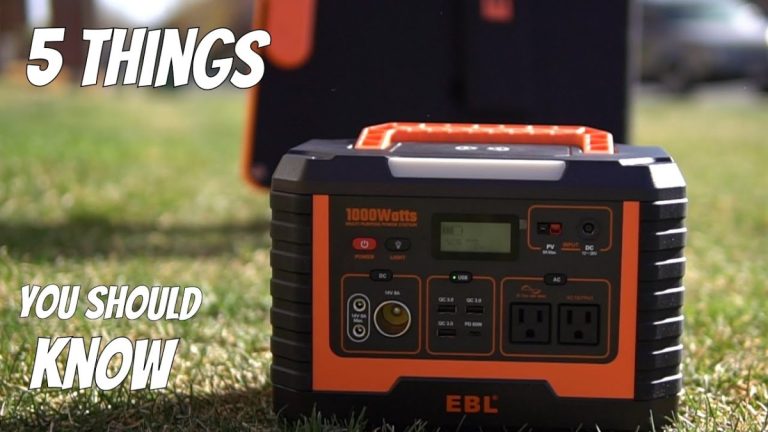
Can Portable Power Stations Be Used As A Primary Power Source In A Mobile Office Or Workspace?
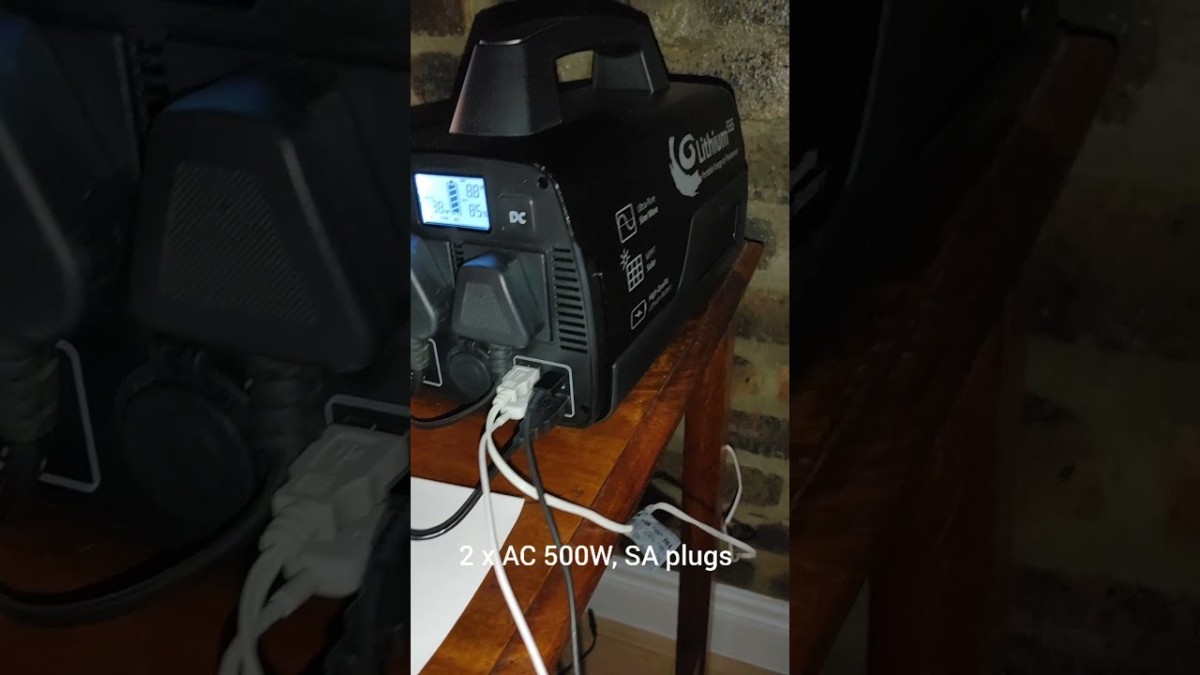
Imagine having the freedom to work wherever your heart desires, without the constraints of traditional power sources.
In today’s fast-paced world, where mobility is key, the concept of a mobile office or workspace is becoming increasingly popular.
But the question on everyone’s mind is: can portable power stations truly serve as a reliable primary power source in such environments?
This article delves into the potential of these compact, versatile devices to meet the power needs of the modern nomadic worker, allowing you to stay connected and productive no matter where you roam.
Yes, they absolutely can! In fact, there are several advantages to using portable power stations in a mobile office setting.
Let’s explore these advantages in more detail.
[embedyt] https://www.youtube.com/watch?v=fBt8dWWjKv0[/embedyt]Advantages of Portable Power Stations
Portability
One of the main benefits of portable power stations is their portability.
These compact devices are designed to be easily carried and transported, allowing you to set up your mobile office anywhere you go.
Whether you’re working in a van, RV, or a remote job site, a portable power station provides the flexibility and convenience you need.
Ease of Use
Portable power stations are incredibly user-friendly. With simple controls and intuitive interfaces, anyone can easily operate these devices.
They usually come with clear instructions and indicators, making it hassle-free to manage your power supply.
This means you can focus on your work without worrying about complicated setups or technical difficulties.
Versatility
Another advantage of portable power stations is their versatility.
These power stations typically come equipped with a wide range of ports and outlets, allowing you to power multiple devices simultaneously.
You can charge your laptops, smartphones, tablets, and other essential electronics all at once.
Some portable power stations even offer AC outlets, USB ports, and DC outputs, providing options for various power needs.
Silent Operation
Unlike conventional generators, portable power stations operate silently.
You won’t have to worry about noisy engines or disruptive vibrations while working in your mobile office.
This makes them ideal for quiet environments, such as libraries or residential areas.
With a portable power station, you can enjoy a peaceful and productive workspace without any disturbances.
Now that we’ve discussed the advantages of portable power stations, let’s take a look at the considerations you should keep in mind when using them in a mobile office.
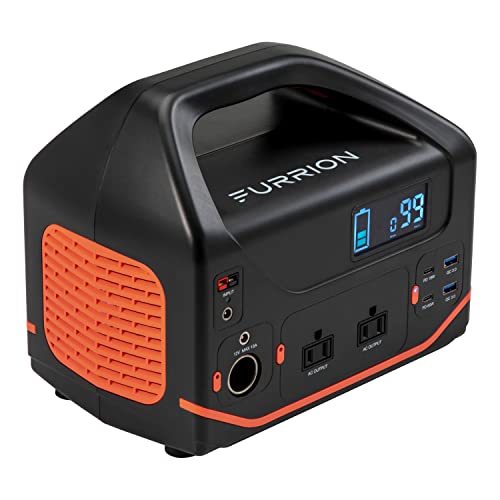

Considerations for Using Portable Power Stations in a Mobile Office
Power Capacity
When choosing a portable power station, it’s essential to consider its power capacity.
The power capacity determines how long your devices can run before the power station needs to be recharged.
Make sure to assess the power requirements of your mobile office and select a power station with enough capacity to meet your needs.
Battery Life
The battery life of a portable power station is another crucial factor to consider.
Longer battery life means you can work for extended periods without having to recharge the power station frequently.
Look for power stations with durable and long-lasting batteries, ensuring uninterrupted power supply throughout your workday.
Charging Options
Different portable power stations offer various charging options.
Some can be charged via a conventional wall outlet, while others may have the option to charge from solar panels or car batteries.
Consider your charging preferences and the availability of power sources in your mobile office when selecting a portable power station.
Weight and Size
Considering the weight and size of a portable power station is important, especially if you have limited space in your mobile office.
Opt for a power station that is lightweight and compact, making it easier to transport and store.
However, ensure that the compact size doesn’t compromise the power station’s performance or power capacity.
Now that you have a better understanding of the considerations for using portable power stations, let’s delve into how you can assess your power requirements in a mobile office.
Assessing Power Requirements for a Mobile Office
Identifying Power Needs
Start by identifying the power needs of your mobile office.
Consider all the devices you’ll be using, such as laptops, printers, monitors, and lighting.
Take note of each device’s power requirements, usually stated in watts or amps, to get a clear understanding of your power needs.
Calculating Power Consumption
Once you have identified the power needs of your devices, calculate their combined power consumption.
Add up the wattage or amperage of each device to determine the total power consumption of your mobile office.
This calculation will help you determine the minimum power capacity your portable power station should have.
Determining Required Power Capacity
Based on your power consumption calculation, you can determine the required power capacity for your portable power station.
It’s recommended to have a power station with a higher capacity than your calculated requirement to account for any power spikes or potential future power needs.
This will give you a buffer and ensure you don’t run out of power during critical working hours.
Now that you know how to assess your power requirements, let’s explore some strategies for managing power consumption in a mobile workspace.

Managing Power Consumption in a Mobile Workspace
Efficient Use of Devices
To optimize power consumption, practice efficient use of devices in your mobile workspace.
Turn off devices when not in use and avoid running power-hungry applications unnecessarily.
Use power-saving settings on laptops and screens to reduce power consumption without compromising productivity.
Being mindful of how you use your devices can significantly extend your portable power station’s battery life.
Optimizing Power Settings
Make sure to optimize the power settings on your devices.
Adjust screen brightness, disable background apps, and activate energy-saving modes whenever possible.
These small adjustments can make a significant difference in reducing power consumption and maximizing the performance of your portable power station.
Minimizing Phantom Loads
Phantom loads, also known as vampire loads, are power-consuming devices that continue to draw power even when turned off.
Minimize phantom loads in your mobile office by unplugging devices when not in use or using power-saving power strips.
This will help prevent unnecessary power drain and extend the operating time of your portable power station.
Now that we’ve covered strategies for managing power consumption, let’s discuss how you can choose the right portable power station for your mobile office.
Choosing the Right Portable Power Station
Power Output
Consider the power output of a portable power station before making a purchase.
Ensure that it can meet the power requirements of your devices.
Some power stations offer multiple outputs, such as AC, DC, and USB, allowing you to power different devices simultaneously.
Choose a power station with sufficient power output to accommodate your mobile office setup.
Number and Types of Ports
Evaluate the number and types of ports available on a portable power station.
If you have multiple devices that require different charging ports, make sure the power station can accommodate them all.
USB ports are necessary for charging smartphones, tablets, and other small devices, while AC outlets are essential for powering laptops, printers, and other larger electronics.
Battery Type
Consider the type of battery used in a portable power station.
Lithium-ion batteries are commonly used due to their high energy density, long cycle life, and lightweight construction.
These batteries offer excellent performance and are ideal for mobile office setups.
Ensure that the power station you choose uses a reliable and durable battery type.
Inverter Type
Check the inverter type of a portable power station.
A pure sine wave inverter is preferable as it provides clean and stable power, making it compatible with a wide range of devices.
Modified sine wave inverters, although cheaper, may cause compatibility issues with certain electronics.
Consider your device requirements and select a power station with the appropriate inverter type.
Now that you know what to consider when choosing a portable power station, let’s discuss the safety considerations you should keep in mind.
Safety Considerations for Using Portable Power Stations
Overload Protection
Ensure that the portable power station you choose has built-in overload protection.
This feature safeguards your devices and the power station itself from damage caused by excessive power draw.
Overload protection automatically shuts off the power supply when the limit is reached, preventing any potential hazards.
Short Circuit Protection
Short circuit protection is essential for preventing electrical accidents.
Portable power stations equipped with short circuit protection will automatically cut off power in the event of a short circuit, protecting both your devices and the power station from damage.
This feature provides an added level of safety and peace of mind.
Temperature Control
Check if the portable power station has temperature control mechanisms.
Overheating can be dangerous and may lead to battery damage or even fire hazards.
Look for power stations with built-in cooling systems or temperature sensors that regulate the device’s temperature and prevent any thermal issues.
Battery Management Systems
Select a portable power station with a robust battery management system (BMS).
A BMS helps monitor and control various aspects of the battery, such as temperature, voltage, and current.
It ensures the optimal performance and longevity of the battery while protecting against overcharging, deep discharge, and other potential battery-related issues.
Now that we’ve covered safety considerations, let’s move on to managing power stations in a mobile office.
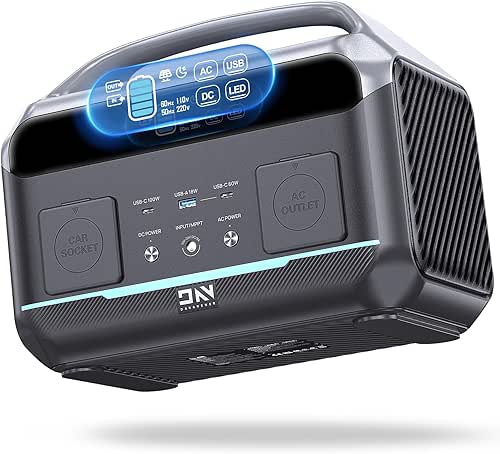
Managing Power Stations in a Mobile Office
Charging and Recharging Routine
Develop a regular charging and recharging routine for your portable power station.
Set aside a specific time each day to recharge the power station, ensuring that you always have a sufficient power supply for your work.
Consider the charging times and adjust your routine accordingly to avoid any disruptions in your workflow.
Maintenance and Care
Proper maintenance and care are necessary to ensure the longevity and performance of your portable power station.
Follow the manufacturer’s guidelines for cleaning and storing the device.
Keep the power station away from extreme temperatures, moisture, and direct sunlight, as these conditions can affect its performance and battery life.
Backup Power Options
Having backup power options is crucial in a mobile office.
Consider investing in additional power sources such as solar panels or portable generators to supplement your portable power station.
This will provide an added layer of security in case of unexpected power outages or prolonged periods without access to charging options.
Expanding Power Capacity
As your mobile office grows and your power needs increase, you might need to expand your power capacity.
Some portable power stations offer expandable options, allowing you to connect multiple power stations together to increase power capacity.
This scalability ensures that your power supply keeps up with your expanding workspace.
Now, let’s explore some case studies that demonstrate the practical use of portable power stations in mobile offices.
Case Studies: Portable Power Stations in Mobile Offices
Mobile Work Van Conversion
Imagine converting a regular van into a fully functioning mobile office.
Portable power stations can play a vital role in this type of setup.
With a high-power capacity portable power station, you can run laptops, printers, and other office equipment seamlessly.
The portability and versatility of these power stations allow you to take your mobile office wherever your work takes you.
Small Office on Wheels
For those working from an RV or tiny house, portable power stations offer an ideal power solution.
Whether you’re camping in remote locations or traveling across different cities, a portable power station ensures a consistent and reliable power supply for your mobile office.
You can work comfortably with all your devices, knowing that you have a portable power station to back you up.
Remote Job Site Trailer
In the construction industry, having a portable power station in a remote job site trailer proves to be invaluable.
With limited access to power sources, a portable power station provides the necessary power to run tools, charge devices, and even power temporary lighting.
This level of convenience saves both time and money, allowing construction professionals to stay productive in any location.
Now, let’s compare the cost of using portable power stations with conventional power sources to determine their long-term value.
Cost Analysis: Portable Power Stations vs. Conventional Power Sources
Initial Investment
The initial investment in a portable power station may seem higher compared to conventional power sources.
However, when considering the costs of installation, fuel, and maintenance associated with conventional power sources, the price of a portable power station becomes more competitive.
Additionally, portable power stations offer greater flexibility and convenience, making them a cost-effective choice in the long run.
Operational Costs
The operational costs of portable power stations are relatively low.
Since they primarily run on rechargeable batteries, you don’t have to worry about fuel expenses, as you would with generators.
With minimal maintenance requirements and efficient power consumption, portable power stations can help reduce your overall operational costs compared to traditional power sources.
Comparing Long-Term Value
When comparing the long-term value, portable power stations have a significant advantage over conventional power sources.
Their portability, ease of use, and versatility provide a greater return on investment in terms of convenience, productivity, and flexibility.
The ability to work from anywhere without relying on external power sources makes portable power stations an excellent long-term investment for any mobile office or workspace.
Lastly, let’s discuss the future trends in portable power stations for mobile workspaces.
Future Trends in Portable Power Stations for Mobile Workspaces
Advancements in Battery Technology
Ongoing advancements in battery technology are driving the development of more efficient and powerful portable power stations.
These advancements include higher energy density, faster charging speed, and longer battery life.
As battery technology continues to improve, portable power stations will become even more reliable and capable of sustaining power-hungry devices.
Integration of Solar Power
The integration of solar power into portable power stations is an emerging trend.
Some portable power stations already offer solar panel compatibility, allowing users to harness clean and renewable energy to recharge their devices.
This integration empowers mobile offices to transition towards more sustainable power solutions and reduce their environmental impact.
Smart Energy Management Systems
With the rise of smart technology, portable power stations are also becoming smarter.
Smart energy management systems enable users to monitor and control their power stations remotely.
This allows for more efficient power management, real-time monitoring of power consumption, and even integration with smart home or office systems.
The inclusion of smart technology in portable power stations enhances the overall user experience and efficiency.
In conclusion, portable power stations can indeed be used as a primary power source in a mobile office or workspace.
With their portability, ease of use, versatility, and silent operation, they offer numerous advantages.
By considering factors such as power capacity, battery life, charging options, and weight, you can choose the right portable power station for your needs.
Assessing power requirements, managing power consumption, and ensuring safety are vital aspects of using portable power stations.
From case studies demonstrating their practical use to cost comparisons with conventional power sources, portable power stations prove to be a valuable investment.
And with advancements in battery technology, integration of solar power, and the rise of smart energy management systems, the future of portable power stations looks brighter than ever.
So, go ahead and power up your mobile office with the convenience and flexibility of a portable power station!