Can Portable Power Stations Be Used To Charge Electric Bikes Or Scooters Using Portable Solar Panels?
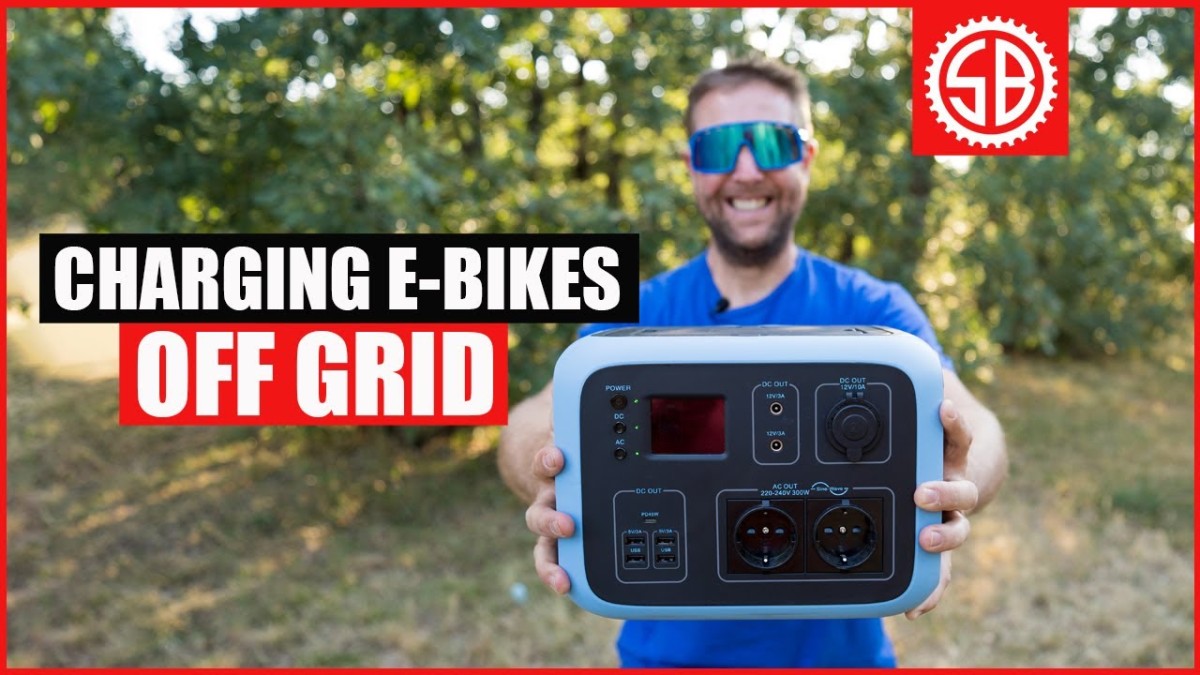
Imagine being able to charge your electric bike or scooter anytime, anywhere, without the need for a dedicated charging station or outlet.
It may seem too good to be true, but with portable power stations, this convenience is within your reach.
Portable power stations have emerged as a versatile solution for powering various electronic devices, and now, they offer the potential to revolutionize the way we charge our electric vehicles.
In this article, we will explore the feasibility and practicality of using portable power stations to charge electric bikes or scooters, and discover the benefits and limitations of this exciting trend.
[embedyt] https://www.youtube.com/watch?v=bLolX9BNB8U[/embedyt]Introduction
Can Portable Power Stations Be Used To Charge Electric Bikes Or Scooters Using Portable Solar Panels?
In recent years, the popularity of electric bikes and scooters has grown significantly, and people are constantly looking for convenient and efficient ways to charge these vehicles.
Portable power stations offer a promising solution, providing a portable and versatile source of power.
In this article, we will explore the definition and functionality of portable power stations, examine their compatibility with electric bikes and scooters, discuss their benefits and limitations, highlight important factors to consider when choosing a portable power station, and provide recommendations for specific models.
Additionally, we will outline the step-by-step process of charging electric bikes or scooters with portable power stations, offer tips for efficient and safe charging, and compare portable power stations with traditional charging options.
So, let’s dive in and explore the world of portable power stations for electric bikes and scooters.


Understanding Portable Power Stations
Definition and Functionality
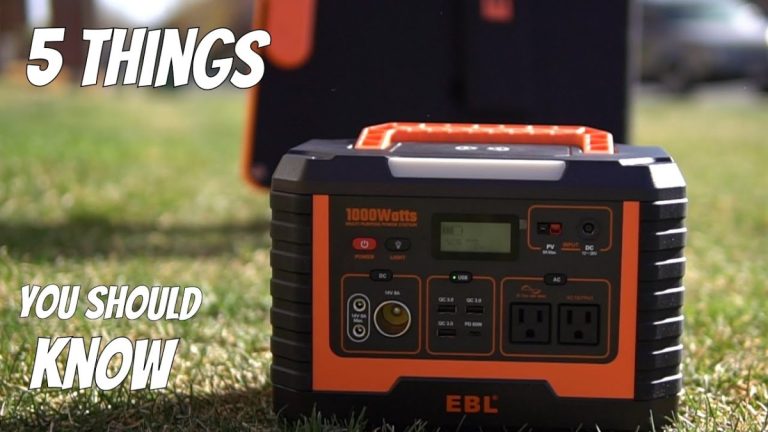
A portable power station is a compact device that stores electrical energy in large rechargeable batteries.
It is designed to provide an alternative power source for various electronic devices, including electric bikes and scooters.
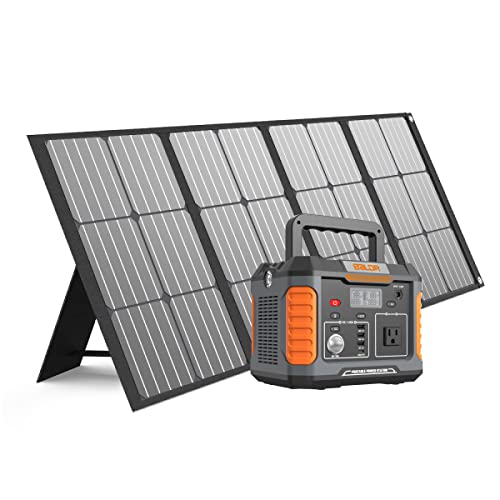
These stations typically consist of a battery pack, an inverter, and multiple outlets to accommodate various charging needs.
The battery pack is responsible for storing the electrical energy, while the inverter converts the stored energy into a usable form for charging the devices.
Types of Portable Power Stations
Portable power stations come in different sizes, capacities, and power output levels.
There are two main types of portable power stations: AC and DC. AC power stations are equipped with standard household outlets and are suitable for charging devices that require alternating current, such as laptops or portable refrigerators.
On the other hand, DC power stations have direct current outlets and are more suitable for charging devices that directly utilize DC power, such as electric bikes or scooters.
It’s essential to choose the right type of power station based on the specific needs of your electric bike or scooter.
Features and Specifications
Portable power stations offer a range of features and specifications that cater to different charging requirements.
Some power stations may have built-in LED displays to indicate battery level, charging status, and output power.
Others may come with additional features like USB ports, car charging capabilities, or even wireless charging pads.
When selecting a portable power station for charging your electric bike or scooter, consider factors such as battery capacity, power output, number and type of charging ports, weight, and overall portability.
Charging Electric Bikes and Scooters
Power Requirements of Electric Bikes and Scooters
Before we determine if portable power stations can meet the power requirements of electric bikes or scooters, let’s first understand the power needs of these vehicles.
Electric bikes and scooters typically have battery capacities ranging from 250Wh to 1000Wh, depending on the model and manufacturer.
The power requirement for charging depends on the battery capacity and the charging efficiency of the electric bike or scooter.

Can Portable Power Stations Meet the Power Requirements?
In most cases, portable power stations are capable of meeting the power requirements of electric bikes and scooters.
However, it’s essential to choose a power station with sufficient battery capacity and power output to ensure efficient charging.
Consider the battery capacity of your electric bike or scooter and select a portable power station that can provide enough energy to fully charge the vehicle.
Additionally, ensure that the power station’s output voltage and current are compatible with your electric bike or scooter’s charging requirements.
Charging Ports and Compatibility
Compatibility between the charging ports of a portable power station and the charging input of your electric bike or scooter is crucial for successful charging.
Many electric bikes and scooters use a DC charging port, while some may require a proprietary connector.
Ensure that the power station you choose has the appropriate charging port or comes with compatible adapters to avoid any compatibility issues during the charging process.
Charging Time and Efficiency
The charging time of electric bikes and scooters can vary depending on the battery capacity, charging efficiency, and power output of the portable power station.
Higher power output from the power station can shorten the charging time significantly.
Additionally, some portable power stations employ advanced charging technologies, such as fast charging or smart charging, which can further optimize the charging time.
It’s important to consider these factors when selecting a power station to ensure efficient and timely charging for your electric bike or scooter.
Benefits and Limitations of Using Portable Power Stations
Portability and Convenience
These stations are designed to be compact and lightweight, enabling you to charge your vehicle anywhere, whether you’re at home, on a camping trip, or in a remote location without access to traditional power sources.
This portability allows for greater flexibility and freedom when it comes to charging your electric bike or scooter.
Versatility and Multi-Device Charging
Portable power stations offer versatility and the ability to charge multiple devices simultaneously.
Along with charging electric bikes or scooters, these stations can also power other electronic devices such as smartphones, tablets, laptops, or even small home appliances.
This versatility makes them an excellent investment for individuals who rely on various electronic devices or have multiple battery-powered vehicles.
Battery Capacity and Range Extension
Using a portable power station to charge your electric bike or scooter provides an additional battery capacity that extends the vehicle’s range.
If you’re planning a long trip or need to travel a considerable distance, a portable power station can serve as a reliable backup power source, ensuring that you won’t run out of battery power in the middle of your journey.
Constraints on Power Output
While portable power stations offer convenience and versatility, it’s important to note their limitations regarding power output.
Some power stations may have constraints on the maximum power output they can provide, which may affect the charging speed of your electric bike or scooter.
Before purchasing a power station, ensure that its power output is compatible with your vehicle’s charging requirements and consider the charging time implications.
Cost and Affordability
The cost of portable power stations varies depending on the capacity, features, and brand.
While they may require an initial investment, they can prove to be a cost-effective and affordable charging solution in the long run.
Portable power stations eliminate the need for expensive installations or reliance on public charging stations, allowing you to charge your electric bike or scooter at your convenience without incurring additional costs.
Factors to Consider when Choosing a Portable Power Station
Power Output and Capacity
When selecting a portable power station, consider its power output and capacity.
The power output should match or exceed the charging requirements of your electric bike or scooter to ensure efficient charging.
Additionally, the battery capacity of the power station should be sufficient to provide multiple charges for your vehicle before requiring recharging.
Battery Type and Lifespan
The type of battery used in a portable power station can significantly impact its performance and lifespan.
Lithium-ion batteries are commonly used due to their high energy density, lightweight design, and long lifespan.
It’s advisable to choose a power station with a high-quality lithium-ion battery to ensure optimal performance and longevity.
Weight and Portability
The weight and portability of a portable power station are important factors to consider, especially if you plan to carry it with you during outdoor activities or travel.
Look for lightweight and compact designs that won’t be cumbersome to transport.
Additionally, consider the availability of carrying handles or built-in wheels for added convenience.
Number and Type of Charging Ports
Evaluate the number and type of charging ports offered by the power station.
Make sure it has the necessary ports compatible with your electric bike or scooter’s charging requirements.
Additionally, having multiple ports allows you to charge multiple devices simultaneously, enhancing the versatility of the power station.
Safety Features and Protection
Safety should always be a priority when dealing with electrical devices.
Look for portable power stations that come with built-in safety features such as surge protection, short circuit protection, overcharge protection, and temperature control.
These features ensure the safety of the power station, the connected devices, and the user.
These Portable Power Stations With Solar Panels Are Both Powerful And Portable
Steps to Charge Electric Bikes or Scooters with Portable Power Stations
Step 1: Check Power Requirements
Before charging your electric bike or scooter, consult the manufacturer’s specifications to determine the power requirements for charging.
Take note of the battery capacity and charging voltage to ensure compatibility with the portable power station.
Step 2: Select the Appropriate Charging Port
Identify the compatible charging port on the portable power station for your electric bike or scooter.
If necessary, use a compatible adapter or cable to connect the charging port to the vehicle’s charging input.
Step 3: Connect and Secure the Charger
Connect the charging cable securely to both the charging port of the portable power station and the charging input of your electric bike or scooter.
Ensure a snug connection to avoid interruptions during the charging process.
Step 4: Monitor the Charging Process
Once the connection is established, monitor the charging progress using the LED display or indicators on the portable power station.
Some power stations may also provide notifications through mobile apps or companion software.
Step 5: Disconnect and Store
After the electric bike or scooter is fully charged, safely disconnect the charging cable from both the portable power station and the vehicle.
Store the portable power station in a safe location, protected from extreme temperatures or potential damage.
Tips for Efficient and Safe Charging
Avoid Overcharging and Overheating
To ensure the longevity of your electric bike or scooter’s battery, avoid overcharging.
Monitor the charging process closely and disconnect the portable power station once the battery reaches its full capacity.
Additionally, prevent overheating by charging in a well-ventilated area and avoiding exposure to direct sunlight or excessive heat.
Charge in a Safe and Ventilated Area
Choose a safe and well-ventilated area for charging your electric bike or scooter.
Avoid charging on flammable surfaces or near combustible materials.
Adequate ventilation prevents the build-up of heat and dissipates any potential gases emitted during the charging process.
Properly Maintain the Portable Power Station
Regularly maintain and clean your portable power station to ensure optimal performance and longevity.
Keep the charging ports free from dust or debris and remove any accumulated dirt or particles from the external surfaces.
Follow the manufacturer’s guidelines for maintenance and storage.
Use Recommended Charging Cables and Connectors
To avoid any compatibility issues or damage to the portable power station or your electric bike or scooter, use the recommended charging cables and connectors provided by the manufacturers.
Using unauthorized or poor-quality cables may result in inefficient charging or potential damage to the devices.
Consider Charging During Off-Peak Hours
If you have the flexibility, try charging your electric bike or scooter during off-peak hours.
This not only ensures faster charging due to lower demand on the power grid but also helps to distribute the load during peak hours, benefiting the overall stability of the electrical system.
Comparison with Traditional Charging Options
Home Charging Stations
Home charging stations are a popular option for electric bike and scooter owners who have a dedicated parking space or garage.
These stations are permanently installed and typically offer higher power output.
While they provide a convenient and reliable charging solution, they lack the portability and versatility offered by portable power stations.
Public Charging Stations
Public charging stations are scattered across various locations, providing an alternative charging option for electric bike and scooter owners on the go.
While they offer convenience during travel and accessibility in urban areas, their availability and compatibility may vary.
Portable power stations provide a reliable and independent charging source, eliminating reliance on public infrastructure.
Solar Power Solutions
Solar power solutions, such as solar panels and solar chargers, harness the energy of the sun to charge electric bikes and scooters.
They offer an eco-friendly and renewable source of energy.
However, solar power solutions may be limited by weather conditions and solar panel efficiency, whereas portable power stations provide a reliable charging option regardless of weather conditions.
Conclusion
So, Can Portable Power Stations Be Used To Charge Electric Bikes Or Scooters Using Portable Solar Panels?
As you can see by this article, portable power stations present a viable and practical solution for charging electric bikes and scooters.
They offer portability, versatility, and convenience, allowing you to charge your vehicle anywhere and at any time.
By understanding the power requirements of your electric bike or scooter, considering the features and specifications of portable power stations, and following the recommended steps for efficient and safe charging, you can ensure a reliable and seamless charging experience.
Whether you’re a frequent traveler, an outdoor enthusiast, or simply seeking a more convenient way to charge your electric bike or scooter, portable power stations are an excellent addition to any electric vehicle owner’s arsenal.
Embrace the freedom and flexibility they provide, and enjoy the journey with a fully charged electric bike or scooter.